Differences you have always noticed
We discuss when you first became aware of the concern and assess the features involved. Not every difference needs treatment.
Facial balance consultations · Surry Hills, Sydney
Perhaps you have noticed a difference between the two sides of your face, or a change that is hard to put into words. It is reasonable to want to understand it.
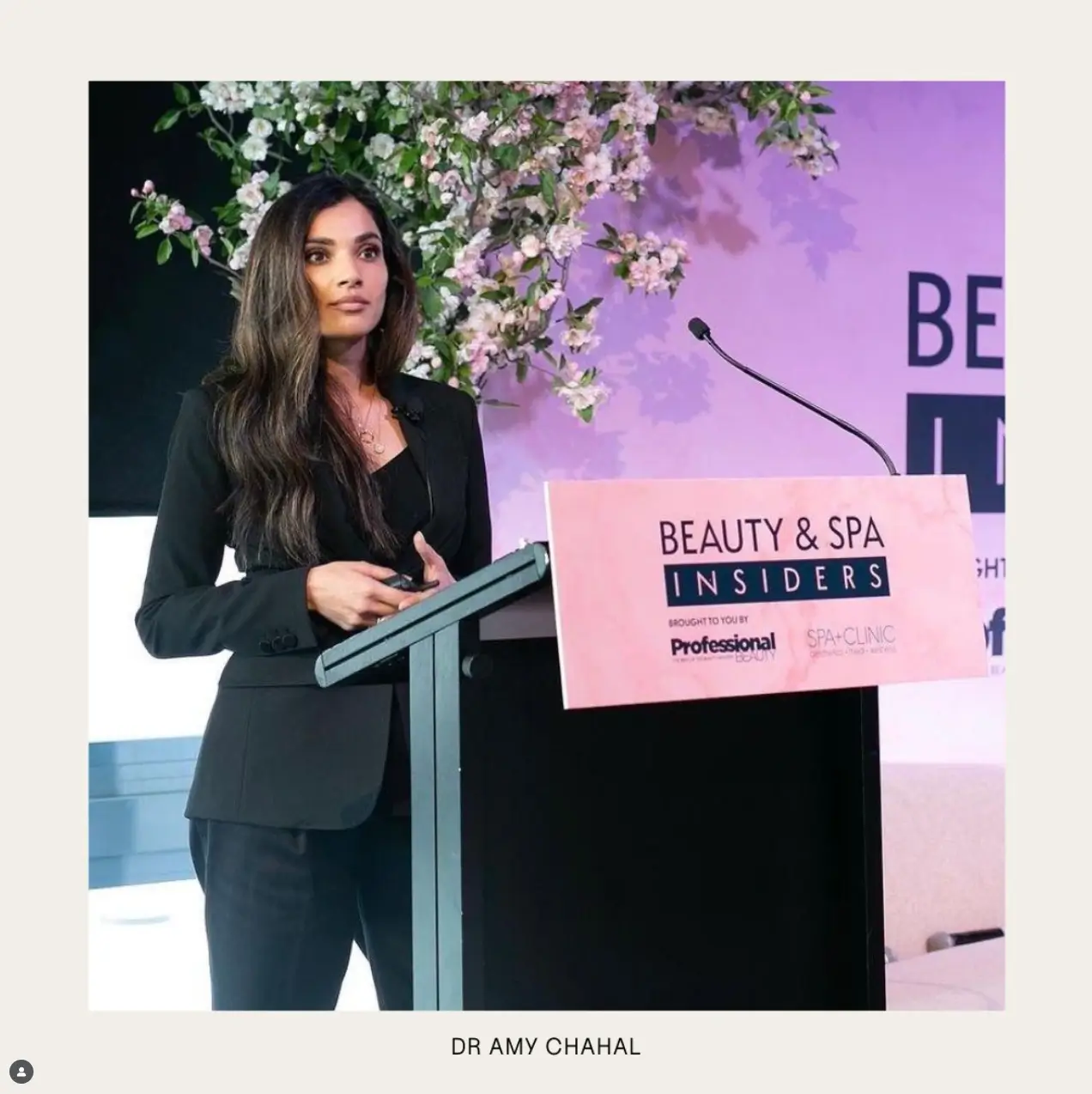
A consultation with Dr. Amy Chahal gives you time to talk it through, consider your options and decide what feels right for you.
Focused Consultation $150 · Strategy Session $250
Consultation fees are not redeemable against treatment.

Facial balance describes how your features relate to one another. Some difference between the two sides is natural. An assessment considers your face as a whole, including expression and movement, rather than judging one feature in isolation.
You may want reassurance about a longstanding difference, advice about changes over time, or a second opinion after previous treatment. We start with your experience and what you would like to understand.
We discuss when you first became aware of the concern and assess the features involved. Not every difference needs treatment.
Changes in facial volume or skin laxity can affect the way features appear in relation to each other. Read about facial volume →
If a previous treatment has left you unsure, bring any available treatment records. They help Dr. Chahal understand your history. Explore a second opinion →
Lips are often where a change in balance is first noticed. Their shape, their proportion to the nose and chin, and how they move when you speak and smile all influence the lower face. Dr. Chahal considers the lips in that wider context, so any advice is about proportion rather than size. Sometimes the most balanced choice is to leave them as they are.
You can ask questions, explain what worries you and take time to consider the advice. A consultation does not commit you to treatment.
Dr. Chahal will explain what may be possible, what the limitations are, and when a different kind of assessment would be more helpful. Choosing to leave things as they are is also a valid outcome.
Your concerns, medical history, previous procedures and goals help guide the assessment. Let us know about dental changes, injury or changes in facial movement.
Dr. Chahal considers your features at rest and in movement. Photography and imaging may help document and explain the findings; they support the clinical assessment.
Discuss suitability, likely limitations, risks, fees and recovery before deciding on any next step. Further medical, dental or specialist assessment may be recommended.
Sudden facial drooping or weakness needs urgent medical attention. Call 000 if it comes on suddenly, especially with speech difficulty or arm weakness. Do not wait for a cosmetic appointment. Read Healthdirect’s advice →
Cosmetic medicine planning is part of your consultation with Dr. Amy. Appropriate options are discussed privately after assessment, with no expectation that a particular treatment will be suitable.
When skin quality or laxity contributes to your concerns, skincare and skin treatments can also be considered. These address different aspects of care; they do not change underlying bone structure.
If you want a broader plan for ageing well, a Strategy Session gives you time to consider cosmetic medicine, skincare and skin treatments together.
The aim is to establish priorities you understand and revisit them as your needs change. Any treatment plan should allow for your response, preferences and budget.
“I have noticed this, and I am not sure what it means” is enough to start the conversation.
Photographs can be useful context, but lighting, distance and angle can affect how a face appears. We assess you in person and discuss what we see together.
A 60-minute consultation for a broader assessment and a plan for ageing well, bringing cosmetic medicine, skincare and skin treatments together.
$250
Consultation fee is not redeemable against treatment.
A consultation with Dr. Amy Chahal to discuss a specific concern and appropriate next steps, including cosmetic medicine planning where relevant.
$150
Consultation fee is not redeemable against treatment.
Treatment may be possible on the day of your consultation, depending on your assessment, suitability and appointment availability. Treatment costs are discussed separately.
Your appointment is confirmed once you successfully complete your online booking through Timely. Treatment fees are separate. Compare consultations or call (02) 8074 1559.
240 Riley Street, Surry Hills, Sydney NSW 2010 · (02) 8074 1559 · Compare consultations
Yes. Natural differences between the two sides are common. Whether a particular concern warrants further assessment depends on your history and examination, including whether it is new or changing.
That depends on the cause and the features involved. Non-surgical options have limitations and cannot change underlying bone structure. Dr. Chahal will discuss whether an option is appropriate or whether referral would be more useful.
Perfect symmetry is not a realistic treatment promise. The consultation focuses on understanding your concern, discussing achievable options and respecting your individual features. Results vary.
Choose a Strategy Session for several concerns or a longer-term plan. A Focused Consultation suits a specific question. If you are unsure, call our team and we can help you choose.
Treatment may be possible following assessment, depending on suitability and appointment availability. Costs are discussed separately. Some situations need further assessment or time to consider the options first.
Yes. Bring any available records, including treatment dates and details. Dr. Chahal can assess your concern and explain appropriate next steps; a particular corrective treatment cannot be promised in advance.
Explore more: Meet Dr. Amy Chahal · All concerns · Skin guides · How long results last
Further reading