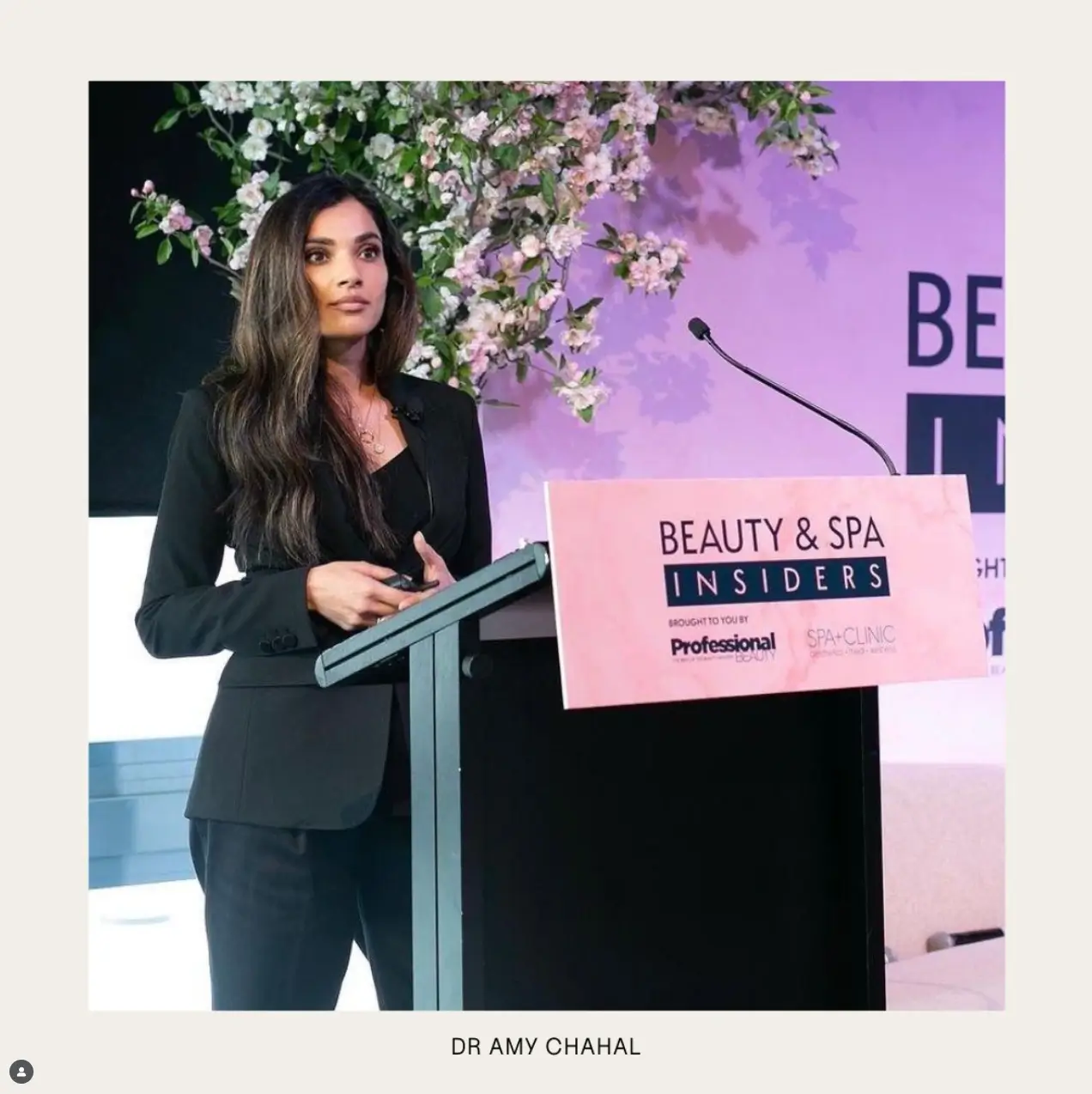

Dr Amy Chahal · Surry Hills, Sydney
A personalised approach to thinning hair, scalp concerns and long-term hair health.
If you have noticed a widening part, a changing hairline or more shedding than usual, a consultation can help you understand your options. At TCMA, Dr Amy Chahal assesses your concerns and discusses a treatment plan suited to the cause of your hair loss and your goals.
Focused Consultation $150.
Your appointment is confirmed once you successfully complete your online booking through Timely.
Hair loss can affect how you feel about your appearance. You do not need to know the diagnosis before booking. An assessment gives you space to describe what has changed, ask questions and consider the next step.
Gradual changes in density can be worth discussing early. We assess the pattern and progression, then consider whether treatment could support your goals for the hair you have.
A receding hairline or reduced coverage needs an individual assessment. We discuss the potential and limits of non-surgical treatment, and whether a specialist opinion would be useful.
Shedding can follow illness, stress, pregnancy or other changes. Understanding the timing and possible triggers helps determine whether observation, investigation or treatment is appropriate.
Changes in the scalp, hair breakage and thinning are not all the same issue. Tell us about itching, discomfort or patches of loss so that the right assessment can be arranged.
Sudden or patchy loss, or a painful or inflamed scalp, should receive timely medical assessment. Your GP or a dermatologist may be the appropriate first appointment.
Your consultation with Dr Amy Chahal considers the pattern of thinning, how quickly it developed, your health and medication history, scalp symptoms and previous treatments.
We also discuss what you hope to achieve: less visible thinning, improved coverage, preserving existing hair or simply understanding the cause. Blood tests or specialist referral may be recommended where the history and examination suggest they would help.
Bring a list of medications and supplements, details of previous treatments and any relevant test results. Earlier photographs can help show how your hair has changed.

Where in-clinic hair restoration is appropriate, we explain the proposed procedure, its evidence, expected benefits and limitations before you decide. Different causes of hair loss need different care; a course of treatment is recommended only when it makes sense for your assessment.
Agree on what the plan is intended to achieve and what improvement would be meaningful to you. Expectations depend on the cause and extent of thinning, rather than a promise of a particular density or hairline.
Discuss the treatment schedule, cost, possible discomfort and aftercare. The specific method determines the risks and recovery, which are explained before consent.
Hair changes take time. Planned reviews over the following months help assess progress and decide whether to continue, adjust the approach or seek additional advice.
Some concerns resolve; others need ongoing management. We consider maintenance, your routine and the longer-term cost from the outset so you can make an informed choice.
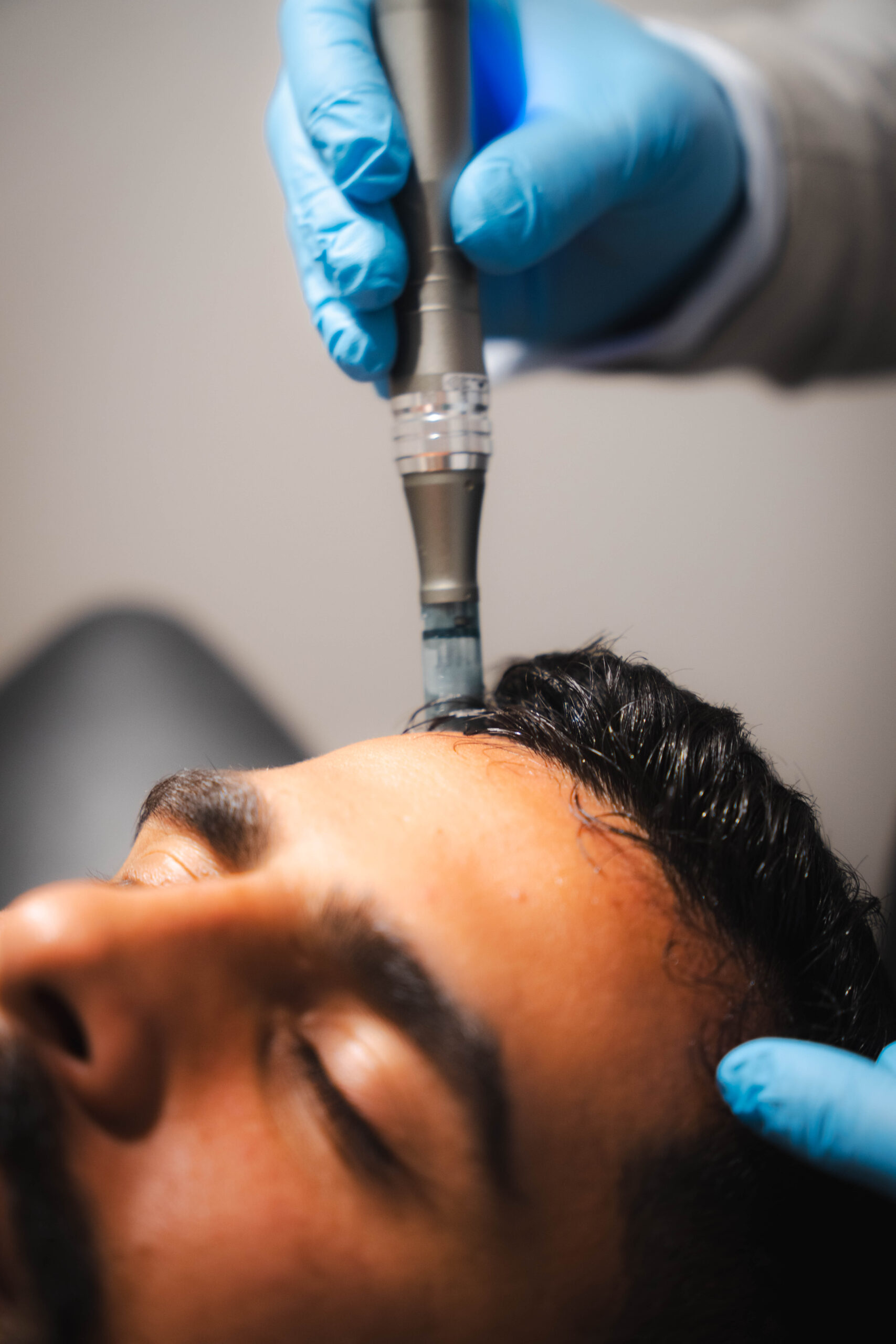
For suitable patients, treatment may support existing hair or address thinning. Response varies, and not everyone achieves the same improvement. Non-surgical treatment and hair transplantation are different approaches.
If a medical condition is contributing to the loss, managing that condition is part of the plan. We can discuss referral to your GP or a dermatologist when further investigation or specialist treatment would be helpful.
Before starting, you should understand the procedure-specific risks, alternatives and what happens if improvement is limited. You can take time to decide.
A Focused Consultation with Dr Amy Chahal for your hair concern. This fee is not redeemable against treatment. Assessment comes before any treatment recommendation.
Individual sessions start from $650, with courses from $3,500 where appropriate. The proposed treatment, number of sessions and total cost are confirmed after assessment.
Ask about the expected review schedule and any maintenance costs as part of your plan. For broader cosmetic goals alongside hair concerns, explore our consultation options.
It may help suitable patients, depending on the diagnosis, stage of thinning and treatment selected. Your assessment considers whether the goal is regrowth, improved density, slowing further loss or managing an underlying cause. A particular result cannot be guaranteed.
Yes. Dr Amy Chahal assesses thinning and shedding in women and men. Changes at the hairline, crown or parting, and changes after illness, pregnancy or hormonal shifts, may need different approaches.
Not everyone needs blood tests. Your history and examination guide whether tests or referral are appropriate, for example if an underlying medical or nutritional issue is suspected.
Hair changes gradually. Progress is usually assessed over months, with the review schedule determined by the diagnosis and chosen treatment. We discuss when a meaningful response might be expected and what would prompt a change of plan.
A Focused Consultation with Dr Amy Chahal is $150 and is not redeemable against treatment. Where suitable, treatment sessions start from $650 and courses from $3,500. The recommended approach, number of sessions, reviews and any maintenance costs are discussed before you commit.
Some causes of shedding improve once a trigger resolves, while other forms of hair loss need ongoing management. Maintenance depends on the diagnosis, response and treatment. We discuss the longer-term commitment as part of your plan.
No. This page describes assessment and non-surgical treatment planning at TCMA. If a surgical opinion or specialist care would better suit your needs, we can discuss referral. Long-standing loss needs individual assessment rather than a promise of full restoration.
Discomfort, recovery and risks depend on the specific procedure recommended. Before treatment, we explain what it involves, any numbing options, aftercare and possible side effects. Your plan should fit your health history and routine.
Discuss your concerns with Dr Amy Chahal at TCMA, 240 Riley Street, Surry Hills. A personalised assessment can help you decide which options are worth considering and how they fit into your longer-term care.
Your appointment is confirmed once you successfully complete your online booking through Timely. Call (02) 8074 1559.
Further reading: American Academy of Dermatology: hair loss diagnosis and treatment. General information; treatment suitability is individual.