Post-treatment care
LED may be considered to support recovery after selected procedures. We plan the timing around your treatment and individual aftercare needs.
HEALITE II · SURRY HILLS, SYDNEY
Thoughtful support for your skin and recovery.
Healite II LED therapy at TCMA can form part of a personalised skin treatment or post-procedure care plan. Our team assesses your skin and explains where light therapy may help, whether as a standalone appointment or alongside other care.
Book a Complexion Consultation
With a dermal therapist · $100 deposit redeemable against treatment only, not skincare products.
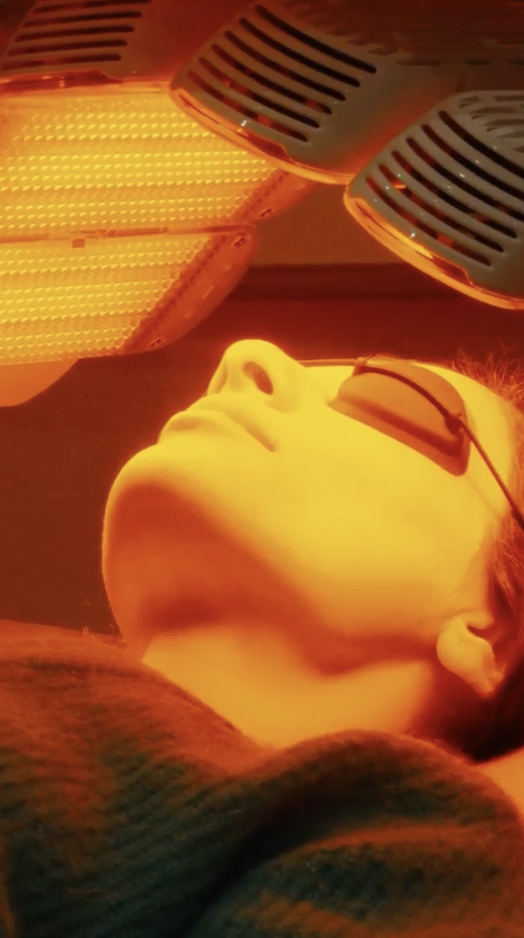
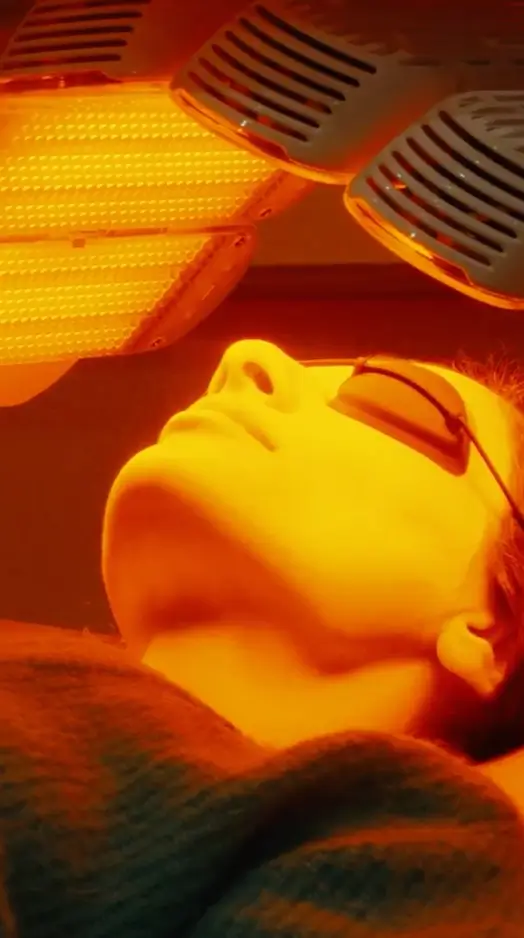
Healite II is a professional low-level light therapy system, also called LED phototherapy or photobiomodulation. Light is delivered from a panel positioned above the treatment area, without needles or removal of the skin surface.
Selected wavelengths interact with tissue to influence cellular processes. Research into near-infrared LED includes its potential to support tissue repair. Benefits depend on the condition, device settings and treatment protocol; improvement is not guaranteed.
Your practitioner explains the purpose of the recommended treatment and how progress will be assessed.
LED may be considered to support recovery after selected procedures. We plan the timing around your treatment and individual aftercare needs.
Discuss whether a session or course has a clear purpose for your skin. We review your response and adjust the plan where needed.
Your dermal therapist can consider LED alongside your skincare and other treatments, with priorities that fit your goals and schedule.
If you are concerned about acne, persistent redness, pigmentation or changes in skin texture, start with an assessment of the cause. LED may have a supporting role in selected plans, while some concerns need additional treatment or medical care.
Acne and congestion · Redness and rosacea · Complexion Consultation
Tell us if you are planning SkinPen microneedling, a chemical peel or another procedure. Your practitioner can explain whether LED is appropriate and how it fits with recovery. A combined plan is tailored to you rather than added automatically.
Assessment: We review your concerns, medications, relevant health conditions and recent treatments before confirming suitability.
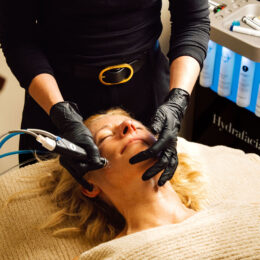
Treatment: You rest beneath the LED panel with protective eyewear. Session length and settings depend on the recommended protocol. Treatment is generally well tolerated; let your practitioner know about any discomfort.
Aftercare: LED alone generally requires little interruption to your day. If it follows another procedure, that procedure’s aftercare and recovery instructions still apply.
Tell us about light sensitivity, photosensitising medications, eye conditions, pregnancy or breastfeeding. We may need further clinical advice or recommend a different approach. Do not stop prescribed medication without advice from your treating clinician.
Temporary warmth, redness or discomfort may occur. Contact the clinic for unexpected or persistent symptoms. LED does not replace medical assessment of infection, delayed healing or an undiagnosed skin concern.
YOUR NEXT STEP
A Complexion Consultation with our dermal therapists is a place to discuss your skin, review your routine and consider suitable treatment options.
Redeemable against treatment only, not skincare products. LED session or course fees are confirmed before treatment. When LED is recommended with another procedure, we explain whether it is included or charged separately.
Book a Complexion Consultation
Your appointment is confirmed once you successfully complete your online booking through Timely. Treatment on the day depends on suitability and availability.
Healite II is a professional LED phototherapy system. It delivers selected wavelengths of light without needles or removal of the skin surface. At TCMA, we assess whether it has a useful role in your individual skin or recovery plan.
Standalone sessions or a course may be considered after assessment. LED may also be incorporated into another treatment plan. We explain the purpose, proposed schedule and cost before you proceed.
LED may be considered to support recovery after selected procedures. Suitability and timing depend on the procedure and your skin. It does not replace your prescribed aftercare or medical review if healing is not progressing as expected.
Treatment is generally well tolerated and may feel warm. Protective eyewear is used. Tell your practitioner if you feel uncomfortable so they can assess and adjust or stop the treatment.
Your practitioner recommends a schedule based on the purpose of treatment and your response. A single session or a course may be considered, with review rather than an automatic commitment to ongoing appointments.
Please tell us if you are pregnant or breastfeeding. We assess suitability individually and may recommend postponing treatment or seeking advice from your treating clinician.
Devices can differ in wavelength, dose, coverage and treatment protocol. In-clinic treatment includes an assessment and a supervised plan. Results from one device or protocol should not be assumed to apply to every home mask.
LED session or course fees are explained before treatment. If it is recommended alongside another procedure, we confirm whether it is included or charged separately. A Complexion Consultation requires a $100 deposit redeemable against treatment only, not skincare products.
Further reading: Lutronic Healite II information and a preliminary study of 830 nm LED and wound healing. The study is small and does not establish the result an individual patient will achieve.
Our dermal therapists can help you understand where LED fits in your care.
Explore the Complexion Consultation
240 Riley Street, Surry Hills, Sydney · (02) 8074 1559