If the patches keep returning, starting again can feel frustrating.
Melasma and pigmentation treatment starts with understanding what is causing the colour change. At our doctor-led clinic in Surry Hills, we bring together skin assessment, home care and suitable procedures to help you work towards a more even complexion.
Start with Dr. Amy’s $150 Focused Consultation or a $100 Complexion Consultation deposit with our dermal therapists, redeemable against treatment only. Where suitable, peels start from $200 and full-face Pico laser from $750 per session. Your plan and total cost are discussed before treatment.
Begin with understanding
Melasma, sun spots or marks after acne?
Pigmentation is a broad term for changes in skin colour. Melasma is one cause; sun spots and marks after inflammation are others. More than one can be present.
01
Sun spots
Flat, distinct brown marks on sun-exposed areas such as the face and hands may be solar lentigines. Once the diagnosis is clear, selected spots may respond to laser or a suitable peel. Sun protection helps limit new marks. Recovery and fading depend on the treatment; discuss the expected settling time before booking around an event.
02
Melasma
Melasma often forms patches across both cheeks, the forehead or upper lip. Sunlight and hormonal influences can contribute. A plan commonly combines ongoing sun protection with topical care; procedures may be added selectively. Think in months rather than days: improvement can take 3–12 months, and maintenance often continues afterwards.
03
Marks after inflammation
Post-inflammatory hyperpigmentation can follow acne, eczema, irritation or injury. First, address the inflammation so new marks are less likely to form. Gentle care and sun protection matter; picking, harsh exfoliation or irritating treatments can prolong the problem. Superficial marks may take 6–12 months to fade after the trigger settles; deeper pigment can last longer.
A new, changing, bleeding or unusual mark needs medical assessment before cosmetic treatment. Skin imaging does not replace an examination. Read about assessment of skin lesions and moles.
Melasma deserves a measured approach
Can Pico be part of your melasma plan?
Yes. At TCMA, Pico may be considered for selected cases, alongside skincare and sun protection. Your skin tone, treatment history and current skin condition guide the decision.
Laser can also aggravate melasma or cause further pigmentation. Careful selection, appropriate settings and review are important; a treatment course is not a promise of permanent clearance.
You do not need to arrive with the right words or a treatment in mind. Tell us what you have noticed, what has helped and what has left you disappointed. We review your history and use skin imaging to record a starting point.
You will have time to discuss suitable options, likely costs, recovery and alternatives. If your concern needs medical review, we will explain the next step.
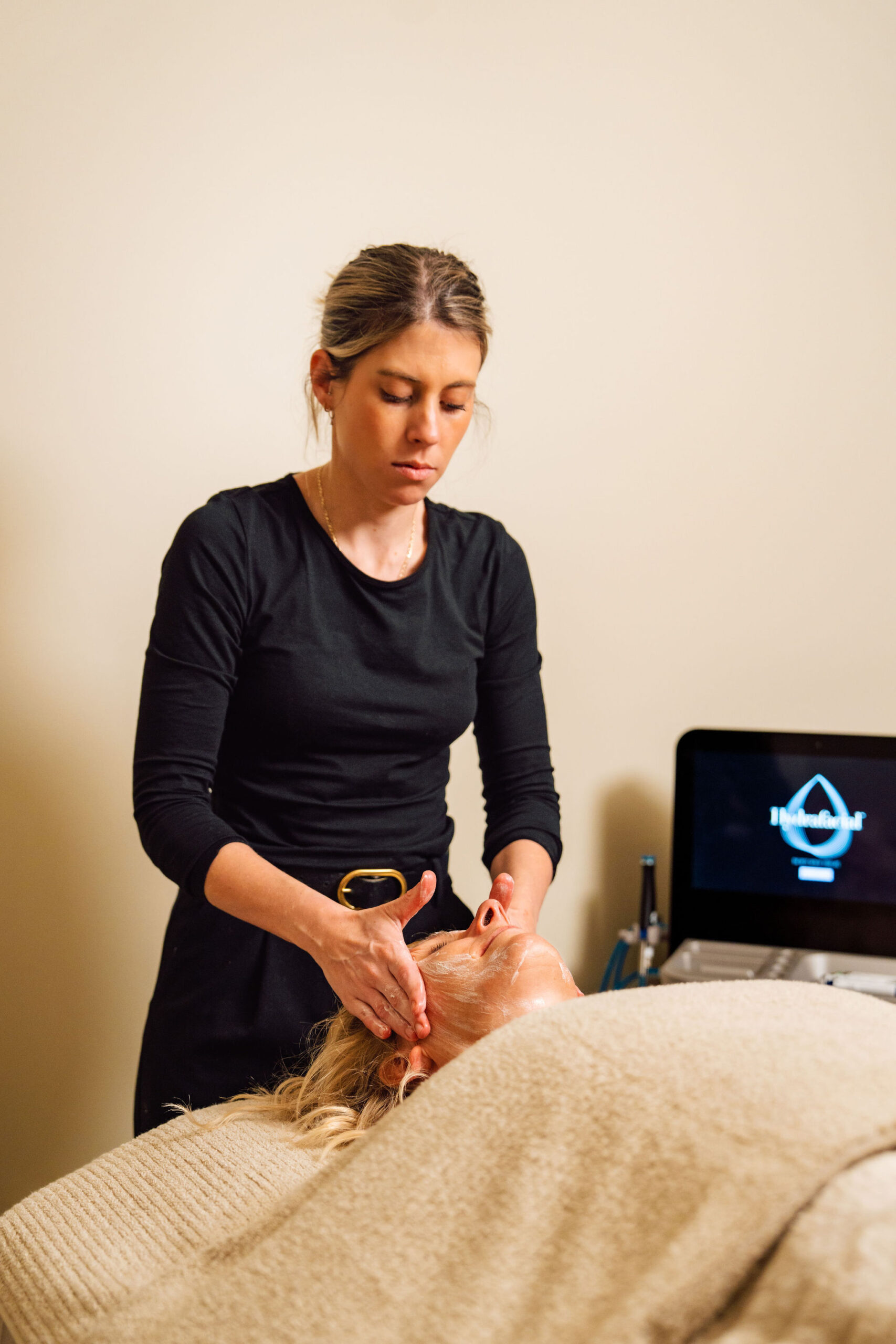
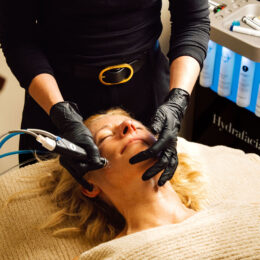
Supportive complexion care may include Hydrafacial or LED. SkinPen may be discussed for accompanying texture concerns. These are not interchangeable treatments for melasma.
Review your concern and routine, agree on priorities and discuss a starting plan.
02 / TREAT
Take the next step
Introduce the agreed skincare or treatment, with aftercare and recovery explained.
03 / REVIEW
Adjust and maintain
Compare progress and your skin’s response before deciding whether to continue, change direction or maintain.
Timing varies. You do not need to commit to a fixed treatment package before your skin has been assessed.
Sunscreen and everyday care for melasma
Sun protection stays important when your patches have faded. Use broad-spectrum SPF 50+ sunscreen as directed, alongside shade and a broad-brimmed hat. Reapply according to the label, especially outdoors, after swimming or sweating. A tinted sunscreen containing iron oxides may also help protect against visible light, which can worsen melasma. Choose one you feel comfortable wearing consistently. A gentle routine helps avoid unnecessary irritation.
Tell us about pregnancy, breastfeeding or hormonal changes so your advice can be tailored. Your routine needs to fit your life, too. We will help you work out what to use, why it matters and how to keep the plan manageable.
Doctor-led care
Understand the diagnosis before choosing a treatment.
If you are unsure whether you have melasma, a sun spot or a mark left by inflammation, a Focused Consultation with Dr. Amy Chahal is a useful starting point. Bring your skincare, previous treatment details and any photographs that show how the concern has changed. We want to understand what has happened, including anything that made your skin worse.
Medical assessment can consider underlying skin conditions, hormonal influences and whether medical management is appropriate. Where needed, further investigation or referral comes before cosmetic treatment. Our dermal therapists support skin treatments, home-care planning and review within the doctor-led team.
We’ll explain what can reasonably improve and which next step fits your priorities and budget.
What does pigmentation treatment involve?
Home care and medical assessment
For recurring melasma or irritated skin, the first step may be simplifying your routine and establishing consistent sun protection. Bring the products you actually use, rather than buying a new routine before the appointment. Dr. Amy can discuss medical options where appropriate after assessing your history. Any treatment instructions are individual; do not stop prescribed medicines or change hormonal medication without your treating doctor’s advice.
Pico laser
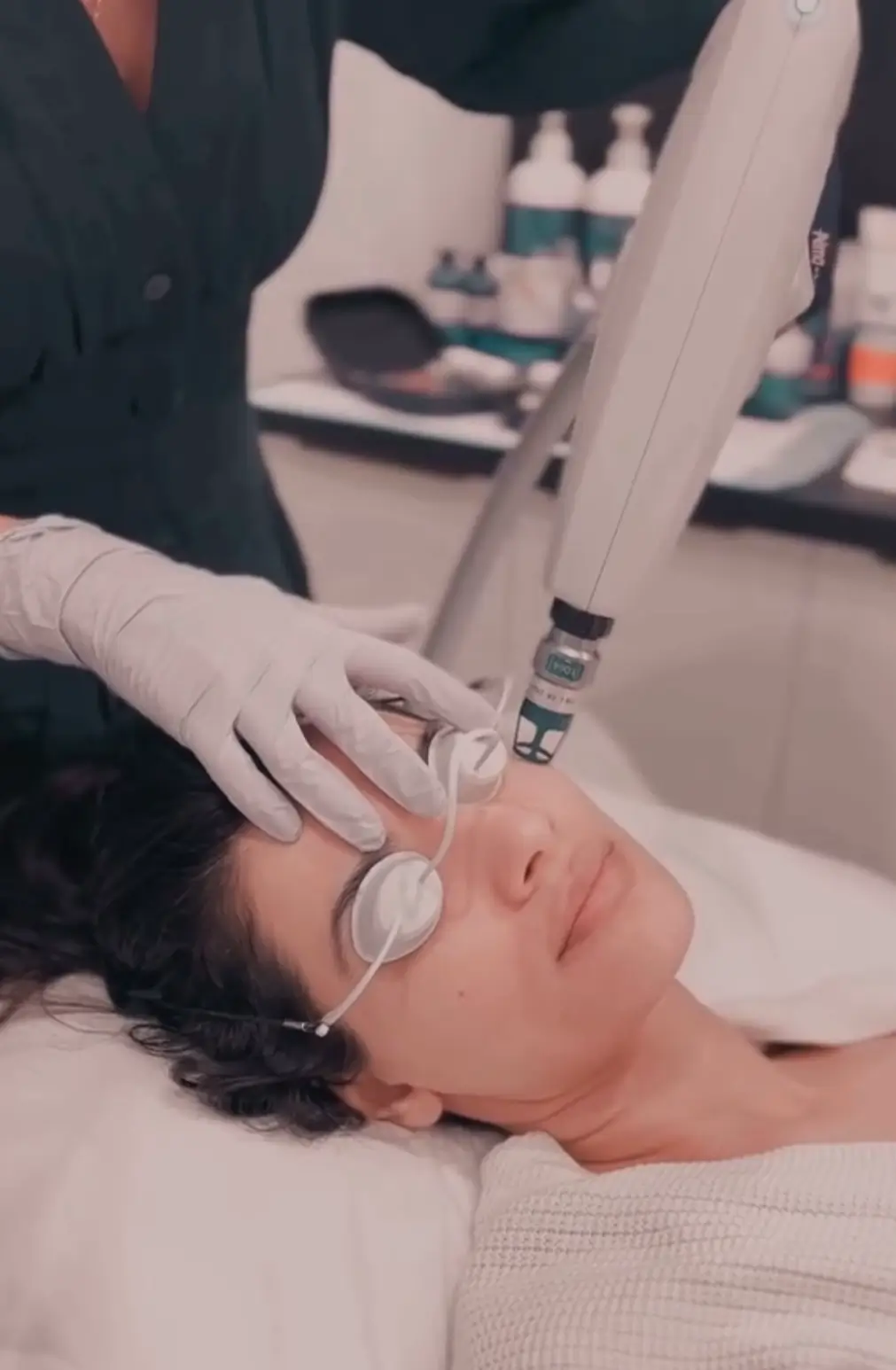
If laser is suitable, your practitioner chooses the treatment area and settings, explains comfort measures and provides eye protection. Cutera Enlighten delivers short pulses of energy to address selected pigment concerns. You may notice redness, swelling, temporary darkening or crusting afterwards, depending on the settings and area. Follow the aftercare and avoid picking at treated skin. Your plan should specify review and spacing before further sessions.
Chemical peels
A peel uses a selected solution on the skin; its suitability and strength depend on your skin and concern. Preparation and recovery are explained before treatment. Tingling, redness, dryness or peeling may occur. Stronger is not automatically better: irritation can create more pigment, especially in skin prone to post-inflammatory marks.
Laser and peels can cause burns, darker or lighter patches and, less commonly, scarring. These risks belong in the discussion alongside likely benefits. We’ll help you weigh the options without committing you to a package before assessment.
A longer-term approach
Why does melasma come back?
Melasma can improve and then return because the tendency to produce excess pigment remains. Sun exposure and hormonal influences may continue even when a treatment has lightened the patches. Recurrence does not mean you did something wrong, but it can mean the maintenance plan needs adjusting.
Laser, IPL and peels can also trigger inflammation and worsen pigmentation in some people. This is why melasma needs a different approach from treating individual sun spots. Tell us if you noticed a flare after a device treatment; repeating or intensifying that treatment is not automatically the next step.
Our aim is to find a routine you can keep using, review your response and introduce procedures only where they make sense. Plan for improvement and ongoing management, rather than permanent removal. If your skin changes, we can reassess the plan with you.
Pigmentation in Asian, South Asian and darker skin tones
Skin that develops dark marks after acne, a scratch or irritation needs particular care when planning treatment. Post-inflammatory pigmentation is often more pronounced and persistent in darker skin tones. This can affect Asian, South Asian, Middle Eastern, African and other backgrounds, but ethnicity alone does not determine your skin’s response.
We consider your individual skin tone, recent tanning, history of marks after treatment and current skin condition. Conservative treatment selection, appropriate settings and a test area where indicated can help guide the plan; they cannot eliminate risk. A procedure that suited a friend may not suit you.
The goal is a more even appearance that respects your natural skin colour. If you have previously developed dark or pale patches after laser, bring those details to a consultation with Dr. Amy before booking another course.
How much does melasma treatment cost?
There is no single melasma package that suits everyone. Your cost depends on whether you need assessment and home care, a procedure, or a staged combination. The published prices below are in Australian dollars; they are options to discuss, not a recommendation to book every treatment.
Consultations
Dr. Amy’s Focused Consultation: $150, non-redeemable. Complexion Consultation with our dermal therapists: $100 deposit, redeemable against treatment only, not skincare products.
Selected procedures
ZO peels: from $200. SkinCeuticals peels: from $260. Full-face Pico laser: from $750 per session. Suitability is assessed first; smaller areas and courses are quoted individually.
Ask for the expected number of visits and any separate home-care or follow-up costs so you can consider the likely overall spend. See our consultation and treatment fees.
Choose your starting point
Let’s make a plan.
Visit TCMA at 240 Riley Street, Surry Hills. Choose complexion care with our dermal team or a consultation with Dr. Amy Chahal.
Complexion Consultation
With our dermal therapists. Skin imaging, a skincare review and a staged plan for your complexion.
$100
Deposit redeemable against treatment only, not products.
Your appointment is confirmed once you successfully complete your online booking through Timely. Treatment costs are discussed after assessment. Need help choosing? Call (02) 8074 1559.
Melasma and pigmentation: your questions
How much does it cost to treat melasma?
Start with a $150 Focused Consultation with Dr. Amy or a $100 redeemable treatment deposit for a Complexion Consultation with our dermal therapists. Treatment costs depend on the agreed plan. Selected peels start from $200 and full-face Pico from $750 per session; not everyone needs a procedure.
How long does melasma treatment take to work?
Melasma is usually managed over months. Improvement may take 3–12 months and varies with the diagnosis, treatment and response. Review is part of the plan, and ongoing care may be needed to maintain improvement.
What is the best treatment for pigmentation?
The best starting point depends on the cause. Sun spots, melasma and marks after acne do not all respond to the same treatment. An assessment helps you choose suitable skincare, medical care or a procedure rather than guessing from the appearance alone.
Which consultation should I book?
Choose Dr. Amy’s Focused Consultation if you want medical assessment of pigmentation, have recurrent melasma or a previous treatment made it worse. Our dermal therapists’ Complexion Consultation suits skincare and skin-treatment planning. If medical review is needed, the team will explain the next step.
Can pigmentation be removed permanently?
Some marks improve with treatment, but new or recurrent pigmentation is possible. Melasma often needs ongoing management rather than a one-off procedure. Why melasma keeps coming back.
Is Pico or IPL better for melasma?
Neither is a universal choice. We assess your skin before recommending a device. Both can cause unwanted pigment changes; Pico may be considered selectively as part of a broader plan. Read the comparison.
What if a previous treatment made it worse?
It is understandable to feel cautious about trying again. Bring details of the treatment and your aftercare if you have them. A Focused Consultation with Dr. Amy gives you space to review what happened and discuss your options before deciding on further treatment.
Can darker skin tones be treated?
Suitability depends on the concern and treatment. The risk of further pigmentation needs particular attention. Your practitioner will explain the options and risks for your skin.
How many sessions will I need, and is there downtime?
The treatment, area and your response determine the number of sessions and recovery. We discuss these before proceeding. Possible risks include irritation, burns, darker or lighter patches and scarring, depending on the procedure.
Can I come in during pregnancy or breastfeeding?
You can seek advice, but some skincare and procedures may not be suitable. Tell us when booking and at your consultation so we can tailor the discussion.