Fine lines
Discuss changes in the skin’s surface and whether a skin-quality treatment fits your concern.
DR. AMY CHAHAL · SURRY HILLS, SYDNEY
A considered approach to skin quality.
Explore whether Rejuran fits your goals for skin texture, fine lines and the way your skin looks and feels. At TCMA, Dr. Amy Chahal brings your concerns into an individual plan, with time to understand the treatment and your options.
Book a consultation with Dr. Amy
Focused Consultation · $150, not redeemable against treatment.

Rejuran is an injectable gel containing polynucleotides, or PN. Polynucleotide treatments have been studied for improvements in fine lines and measures of skin quality, including texture and elasticity.
Your consultation considers the specific product and treatment area, your medical history and the change you hope to see. Results develop over time and vary; a course may be appropriate, with progress reviewed along the way.
Discuss changes in the skin’s surface and whether a skin-quality treatment fits your concern.
Assess how your skin has changed and which options could address your priorities.
Agree on what you are trying to improve and how your response will be reviewed.
Hollowing, pigmentation, laxity and fine surface lines can have different causes. Dr. Chahal explains where Rejuran may fit and when another approach is more appropriate.
Ageing well involves looking at your skin and face together. Rejuran may be one part of a plan that also considers skincare and suitable skin treatments, with the timing and purpose of each step explained.
You can focus on one concern or use a Strategy Session to discuss several priorities. We review your response and adapt your care as your goals change.
Fine lines and early ageing · How the face ages · Compare consultations
Bring your questions about the eye area to your consultation. Skin texture, hollowing, pigment, puffiness and excess skin need careful assessment and may require different care. Dr. Chahal will discuss relevant alternatives and whether further assessment is needed.
Discuss your medical history, allergies, medications and previous procedures. Tell us about pregnancy or breastfeeding and any active skin concerns. Do not change prescribed medication without medical advice.
The proposed area, product, comfort measures, costs and consent are discussed before treatment. Injections can be uncomfortable; let Dr. Chahal know how you feel throughout.
Raised injection sites, redness, swelling, tenderness and bruising can occur and may take several days or longer to settle. Follow your supplied instructions on skincare, makeup, exercise and other treatments.
Possible complications include infection, allergic or inflammatory reactions, persistent swelling or lumps, and an unsatisfactory result. Injection procedures also carry a risk of vascular injury and tissue damage. Your consultation covers the risks relevant to the product, area and your health.
Contact the clinic promptly for unexpected or worsening symptoms. Severe pain, skin colour changes or any visual disturbance require urgent medical assessment. Active infection and some health circumstances may mean postponing treatment.
Your follow-up is an opportunity to assess progress and decide on next steps. The number of sessions and any maintenance are individual recommendations.
CONSULTATION AND COSTS
Focused Consultation — $150. Discuss one main concern with Dr. Amy.
Strategy Session — $250. Consider skin quality, cosmetic medicine and longer-term priorities together.
Both consultation fees are nonredeemable against treatment. Rejuran treatment costs, including any proposed course, are explained after assessment and before you proceed.
Online bookings are appointment requests; our team will confirm your appointment.
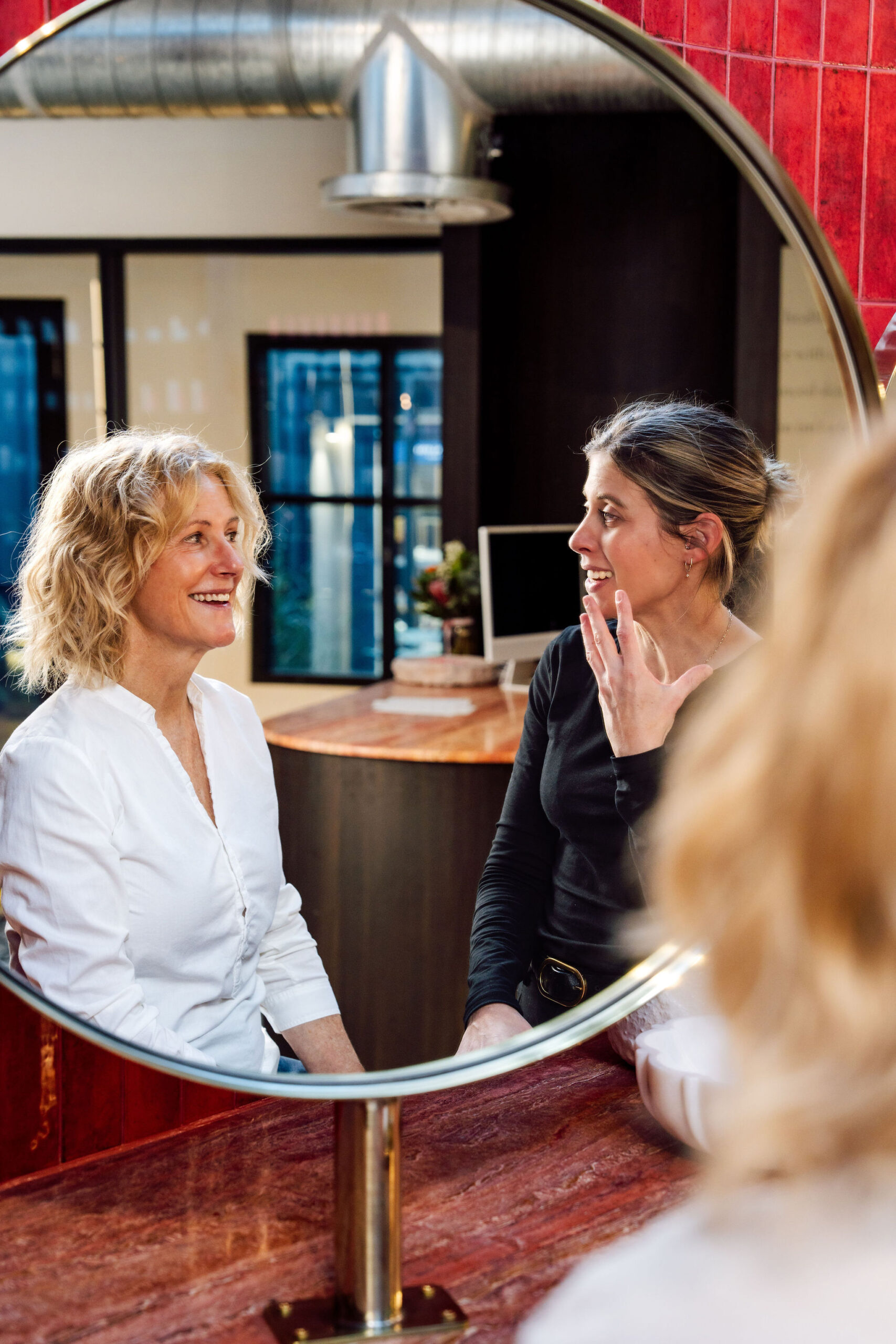
Rejuran is an injectable polynucleotide gel used for selected skin-quality concerns. At TCMA, Dr. Amy Chahal assesses your skin and explains the specific product, proposed area, expected benefits and risks before treatment.
Clinical studies have examined changes in fine lines, skin texture and elasticity with polynucleotide treatments. Suitability and results depend on the product, treatment area and individual skin. Your consultation establishes a realistic goal.
At TCMA, the treatment discussion focuses on skin quality. If your main concern is hollowing, facial volume or significant sagging, Dr. Chahal will assess the underlying cause and explain suitable options.
Yes. An assessment distinguishes skin-quality changes from hollowing, pigmentation, eye bags or excess skin. These concerns may need different approaches, so treatment is not selected from appearance alone.
Small raised injection sites, redness, tenderness, swelling and bruising can occur. They may take several days to settle and sometimes longer. Allow flexibility around events and follow your individual aftercare instructions.
A course may be recommended, with timing and number of sessions based on your skin, the product and your response. Your plan includes review before deciding whether maintenance is appropriate.
Dr. Amy Chahal performs Rejuran at TCMA, 240 Riley Street, Surry Hills, Sydney. Start with a consultation to discuss suitability and your goals.
Treatment costs are quoted after assessment, including any proposed course. A Focused Consultation with Dr. Amy is $150 and a Strategy Session is $250. Both consultation fees are nonredeemable against treatment.
Research: a randomised trial of polynucleotide treatment around the eyes. Published studies use specific products and protocols and do not predict an individual result.
Discuss your priorities with Dr. Amy Chahal at TCMA.
240 Riley Street, Surry Hills, Sydney · (02) 8074 1559