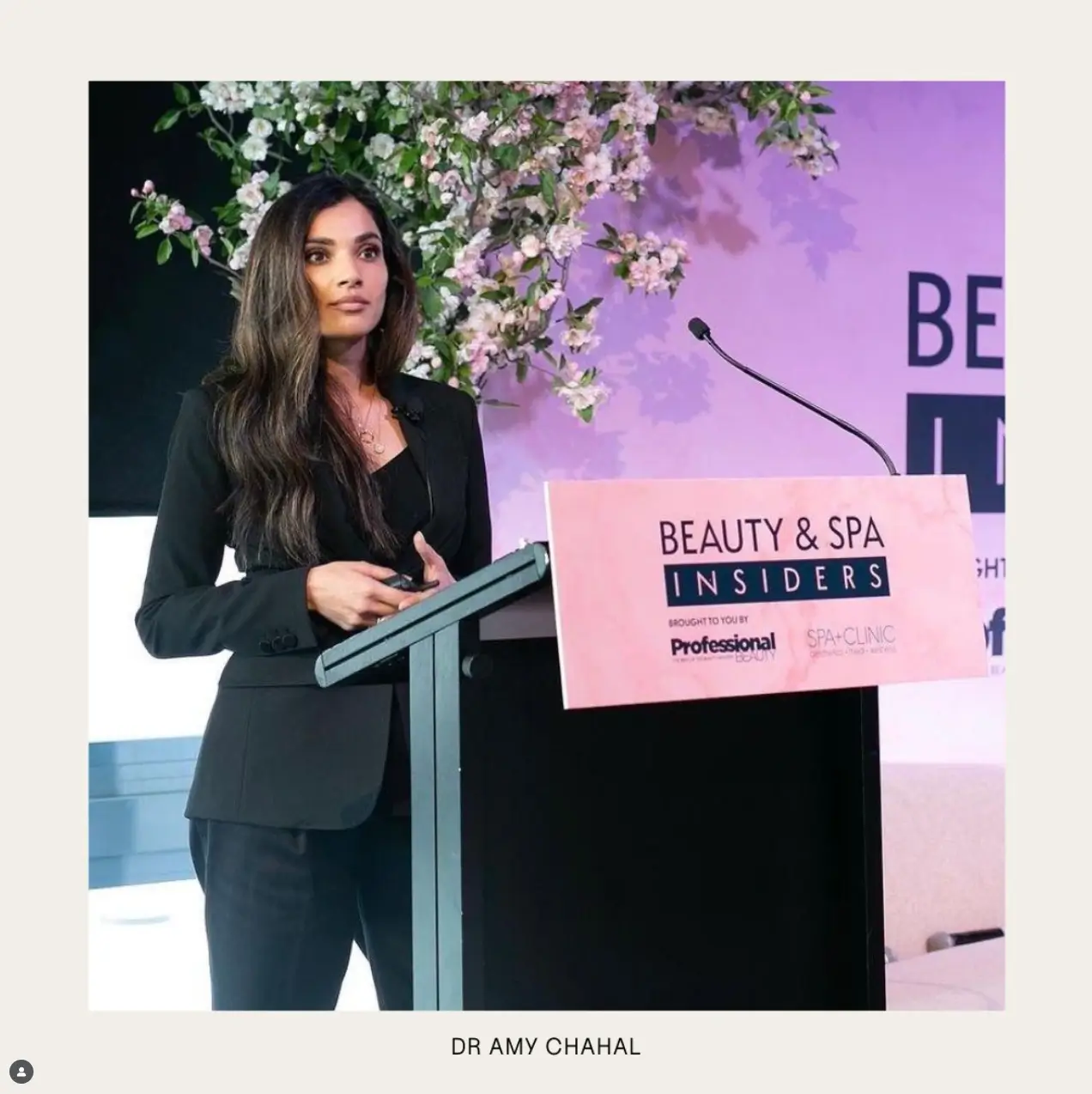
Dr Amy Chahal · Surry Hills, Sydney
Thoughtful care for benign moles, skin tags and small skin lesions that catch, irritate or bother you, including moles on the face.
At TCMA, Dr Amy Chahal assesses the area, explains your removal options and helps you weigh the likely cosmetic result against healing and scarring. For suitable lesions, removal can be a straightforward way to address a persistent concern.
Focused Consultation $150 · Removal from $450, additional lesions usually $100.
Your appointment is confirmed once you successfully complete your online booking through Timely.
Whether a skin tag catches on a necklace or a raised mole makes shaving awkward, your reason for considering removal matters. We discuss comfort, appearance and the practical details of looking after the area.
Skin tags are benign growths that often occur around the neck, underarms and skin folds. Removal may be considered when they rub, catch or bother you. The location and number of tags help determine the approach.
A mole may be assessed for removal when its appearance or position is troublesome. Facial mole removal needs particular attention to the likely scar, skin contours and whether specialist referral would give you a more appropriate option.
“Lesion” describes a change or growth on the skin; it is not a diagnosis. Dr Chahal examines the specific area and discusses whether it can be managed at TCMA or needs further investigation.
For a benign lesion, leaving it alone can also be reasonable. You can compare removal, the expected mark afterwards and the option of monitoring before choosing what feels right for you.
A new, changing, bleeding or non-healing spot needs prompt medical assessment. TCMA does not provide full skin cancer checks. Please see your GP, a skin cancer clinic or a dermatologist for that service.
Every removal at TCMA is performed by Dr Amy Chahal. The method is chosen for the individual lesion, its location and whether tissue is needed for pathology, and it is explained before you decide.
The lesion is removed with a small margin under local anaesthetic and the skin is closed with stitches. This suits lesions that need full removal or a complete sample for pathology, and usually means a follow-up to remove stitches.
Heat is used to remove small, superficial growths such as many skin tags. It is quick and usually leaves a small mark that fades over time.
A raised lesion is shaved level with the surrounding skin under local anaesthetic, without stitches. It can suit some raised moles, particularly where a flatter result is the priority.
Where tissue is sent for testing, pathology is generally covered by Medicare for eligible patients. Dr Chahal discusses the results with you and any next step they suggest.
Moles on the face need particular care, because the scar matters as much as the removal. Dr Chahal considers the size, depth and position of the mole, your skin type and how the area moves before recommending shave, cautery or excision.
Where stitches are needed, the wound is placed to follow natural lines where possible. Allow time for healing before an important event, and protect the area from the sun while the scar settles. If a flat brown mark rather than a raised mole is the concern, our pigmentation and melasma page may be more relevant.

Depending on the lesion, options may include surgical removal or electrosurgery. Its size, depth, position and the need to preserve a tissue sample all matter. We explain the proposed technique rather than assuming one method is suitable for every skin tag or mole.
Moles are generally sent for pathology. Where a lesion is suspicious or its diagnosis is uncertain, investigation or referral comes before cosmetic treatment.
Follow your individual instructions for dressings, washing and activity. The wound may need protection while it heals; stitches, if used, may require a follow-up appointment. Tell us about an upcoming event so that healing time can be considered.
A scar or a change in colour or texture can remain after removal. The final appearance takes time to develop and varies with your skin and the site. We discuss scar care and sun protection appropriate to the stage of healing.
Possible complications include bleeding, infection, delayed healing, pigment changes, a raised or noticeable scar and recurrence. Tell Dr Chahal if you have a history of keloid scars, take blood-thinning medicines or have previously had difficulty healing. Do not stop prescribed medicines without medical advice.
Contact the clinic if you develop increasing pain, spreading redness, discharge or bleeding that does not settle. Your aftercare instructions explain when to seek urgent medical help.
A consultation with Dr Amy Chahal for a specific lesion or removal concern. The consultation fee is not redeemable against treatment.
The first lesion is from $450. Additional lesions removed at the same appointment are usually $100 each. The fee depends on the number, type, size and location of lesions, and is confirmed before treatment. Where a lesion is sent to pathology, testing is generally covered by Medicare for eligible patients.
If you would also like a broader cosmetic plan, see our consultation options. Lesion assessment and removal are doctor appointments.
Removal of the first lesion starts from $450, and additional lesions at the same appointment are usually $100 each, depending on their size, type and location. A Focused Consultation with Dr Amy Chahal is $150 and is not redeemable against treatment. Pathology testing is generally covered by Medicare for eligible patients. Your proposed procedure and total fees are confirmed before you decide.
Sometimes a clearly benign skin tag can be removed at the same visit, subject to assessment, appointment time and consent. Please mention removal when booking your appointment. Same-day treatment is not guaranteed.
Removal can leave a permanent scar or a change in skin colour or texture. Its appearance depends on the method, location and your healing response. Dr Chahal discusses the likely trade-off between the lesion and the resulting mark before treatment.
The approach depends on the lesion. Dr Chahal uses excision and stitches, cautery or shave removal, with local anaesthetic where appropriate. The method is chosen after examination and consideration of whether tissue is needed for pathology.
Moles removed at TCMA are generally sent for pathology, which is generally covered by Medicare for eligible patients. A straightforward skin tag may not require testing. If the diagnosis is uncertain or a lesion looks suspicious, further assessment or referral takes priority over cosmetic removal.
TCMA does not provide full skin cancer checks. If you have a new, changing, bleeding or non-healing spot, arrange prompt assessment with your GP, a skin cancer clinic or a dermatologist. A cosmetic removal consultation does not replace a skin cancer check.
Recovery depends on the removal method, wound size and location. You will receive individual dressing, activity and follow-up instructions, including whether stitches need removal. A wound may settle before its scar does; scars can continue changing over several months.
Recurrence is possible, particularly if some tissue remains, and new skin tags can develop elsewhere. Any recurrent or changing spot should be examined rather than assumed to be the same harmless lesion.
Every mole, skin tag and lesion removal at TCMA is performed by Dr Amy Chahal, from assessment through to follow-up.
Yes. Facial moles are assessed individually, and the method is chosen with the likely scar in mind. Dr Chahal explains the expected result and healing time before you decide.
Start with an assessment at TCMA, 240 Riley Street, Surry Hills. We will help you understand what the lesion is, whether removal is appropriate and what to expect afterwards.
Your appointment is confirmed once you successfully complete your online booking through Timely. Call (02) 8074 1559.
Reviewed by Dr Amy Chahal, Cosmetic Physician · 29 September 2026
Further reading: Healthdirect: skin tags and removing benign skin lesions. General information; your assessment determines suitability.