Flushing & sensitivity
Tell us when your skin feels hot, stings or changes colour, and what seems to set it off. Your experience matters even when redness is less visible.

Redness & rosacea care · Surry Hills, Sydney
When your skin feels unpredictable, even choosing a moisturiser can feel complicated.
At TCMA, we take time to understand the flushing, sensitivity or persistent redness you are noticing. Bring your questions, your routine and what you have tried. We will help you find a sensible next step.
Skin consultations with our dermal team or a Focused Consultation with Dr. Amy. Fees below.
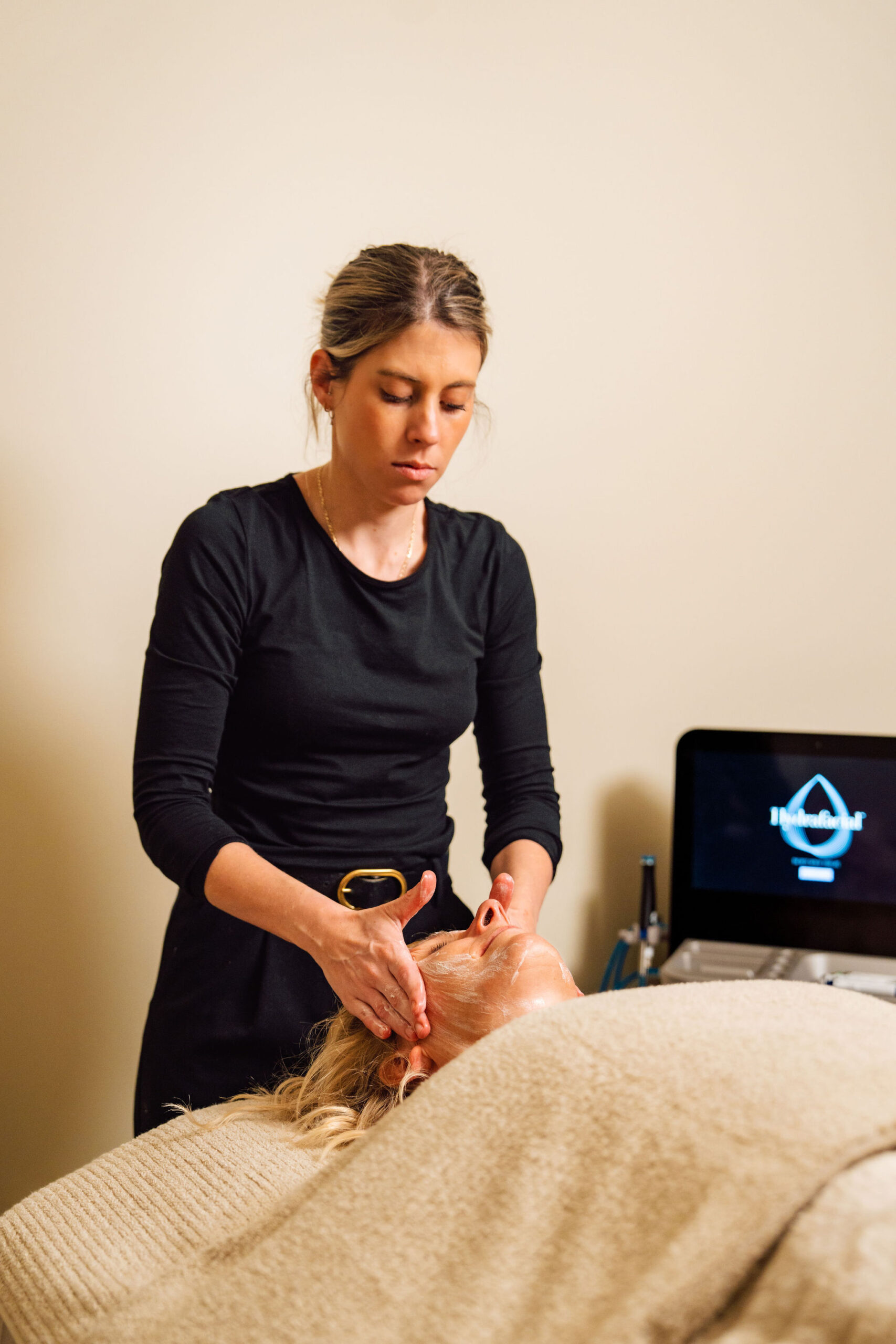
Rosacea and facial redness in Sydney
Rosacea is a long-term inflammatory condition that can cause facial flushing, persistent redness, visible vessels or acne-like bumps. Other conditions can look similar, so redness alone is not a diagnosis. Medical assessment helps distinguish them.
Tell us when your skin feels hot, stings or changes colour, and what seems to set it off. Your experience matters even when redness is less visible.
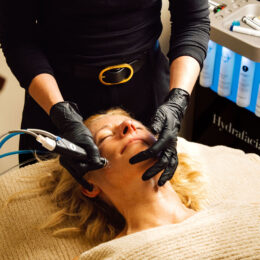
Persistent colour and fine visible vessels may be suitable for selected light-based treatment after assessment.
Acne-like spots can occur with rosacea. They may need medical management, rather than a facial or a device treatment.
Rosacea can affect the eyes too. Mention dryness or gritty eyes to a doctor. Eye pain, light sensitivity or changes in vision need prompt medical attention.
Room to talk it through
Perhaps something helped, then stopped helping. Perhaps you are cautious about trying anything new.
We want to hear that. Understanding how your skin feels, what you are comfortable with and what fits your life is part of planning your care.
The options, explained
Rosacea is managed rather than cured. Care may combine gentle skincare, attention to individual triggers, medical treatment and selected procedures. You may not need every part.
Suitability, treatment settings and recovery depend on your skin and the procedure. Light-based treatment can cause redness, swelling, burns or pigment changes; risks and alternatives are discussed before you decide. Results vary and maintenance may be needed.
What happens next
Discuss your symptoms, medicines, previous treatment and everyday routine. Decide whether medical assessment is the right starting point.
Agree on suitable care, likely costs and what to expect. There is room to ask questions before proceeding.
Review how your skin feels and responds. Adjust the plan rather than follow a fixed timetable for everyone.
Everyday care
Gentle cleansing, moisturiser and sun protection are useful foundations. Individual triggers vary; noticing a pattern can help without turning daily life into a long list of restrictions.
Bring your products, or photos of their labels. We can talk through what you use and what feels uncomfortable. Keep prescribed care under your prescriber’s guidance.
Redness, breakouts and pigmentation can overlap. You do not need to choose a diagnosis before booking.
A clear place to start
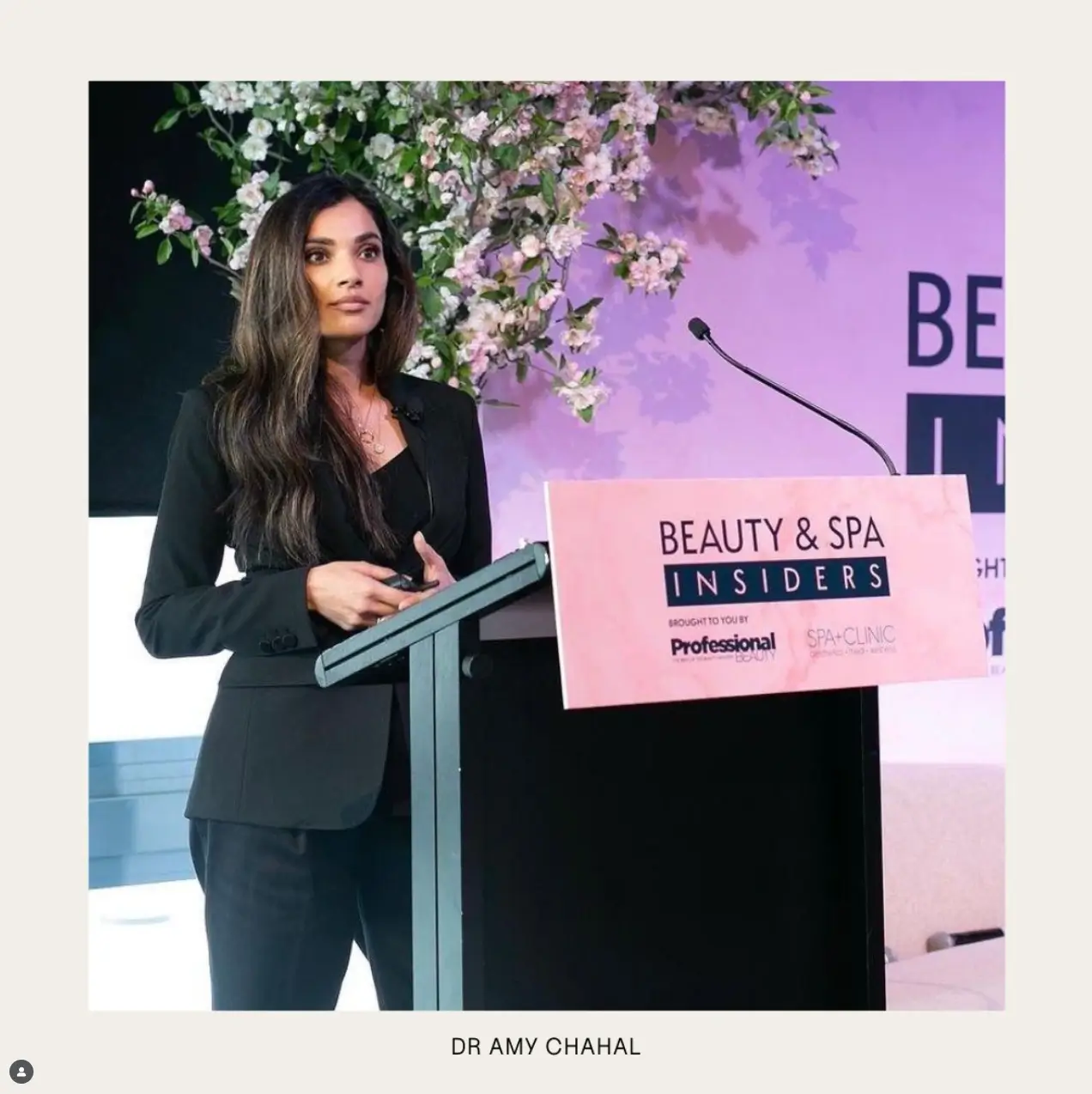
Visit TCMA at 240 Riley Street, Surry Hills, Sydney. Choose complexion advice with our dermal team or a medical consultation with Dr. Amy Chahal.
With our dermal therapists. Review your skincare and suitability for skin treatments, with advice on when medical assessment is needed.
$100
Deposit redeemable against treatment only, not products.
With Dr. Amy. Discuss redness or suspected rosacea as your main concern, including assessment and appropriate next steps.
$150
Consultation fee. Non-redeemable.
Your appointment is confirmed once you successfully complete your online booking through Timely. Treatment fees are separate. For a broader plan, compare all consultations. Unsure where to begin? Call (02) 8074 1559.
No. Irritation and other skin conditions can look similar. A medical assessment can help clarify the cause and guide care.
No. It may reduce visible vessels or persistent redness in suitable patients, but it does not address every feature of rosacea. Your plan may also need medical care and skincare.
If you need a diagnosis or have persistent inflammation, start with a doctor. Our Complexion Consultation is for skincare and skin-treatment planning; our team can advise when medical review is needed.
There is no single number for everyone. After assessment, we explain the proposed course, costs, recovery and review points. Choosing a consultation does not commit you to a course of treatment.
Yes. Bring the products or photographs of the labels, plus details of medicines and previous treatments. It helps us make the conversation practical.
Tell us about tanning and any previous pigment changes. Skin tone and pigment response matter when assessing light-based procedures and choosing settings. A device is not automatically suitable for every skin type.
Further reading: American Academy of Dermatology: rosacea care · DermNet: rosacea · TCMA guides
Further reading
Pico or IPL for pigmentation · How long results last · All guides · A second opinion