Rolling scars
Broad depressions with sloping edges. Some are tethered to tissue underneath, which can affect the treatment approach.
Acne scar treatment · Surry Hills, Sydney
When the breakouts settle, the marks and texture can still be on your mind.
You do not need to know which treatment to ask for. Tell us what you notice and what matters to you. We will help you understand your options and build a plan at a pace that feels manageable.
Complexion Consultation: $100 deposit, redeemable against treatment only. Consultations with Dr. Amy are also available.
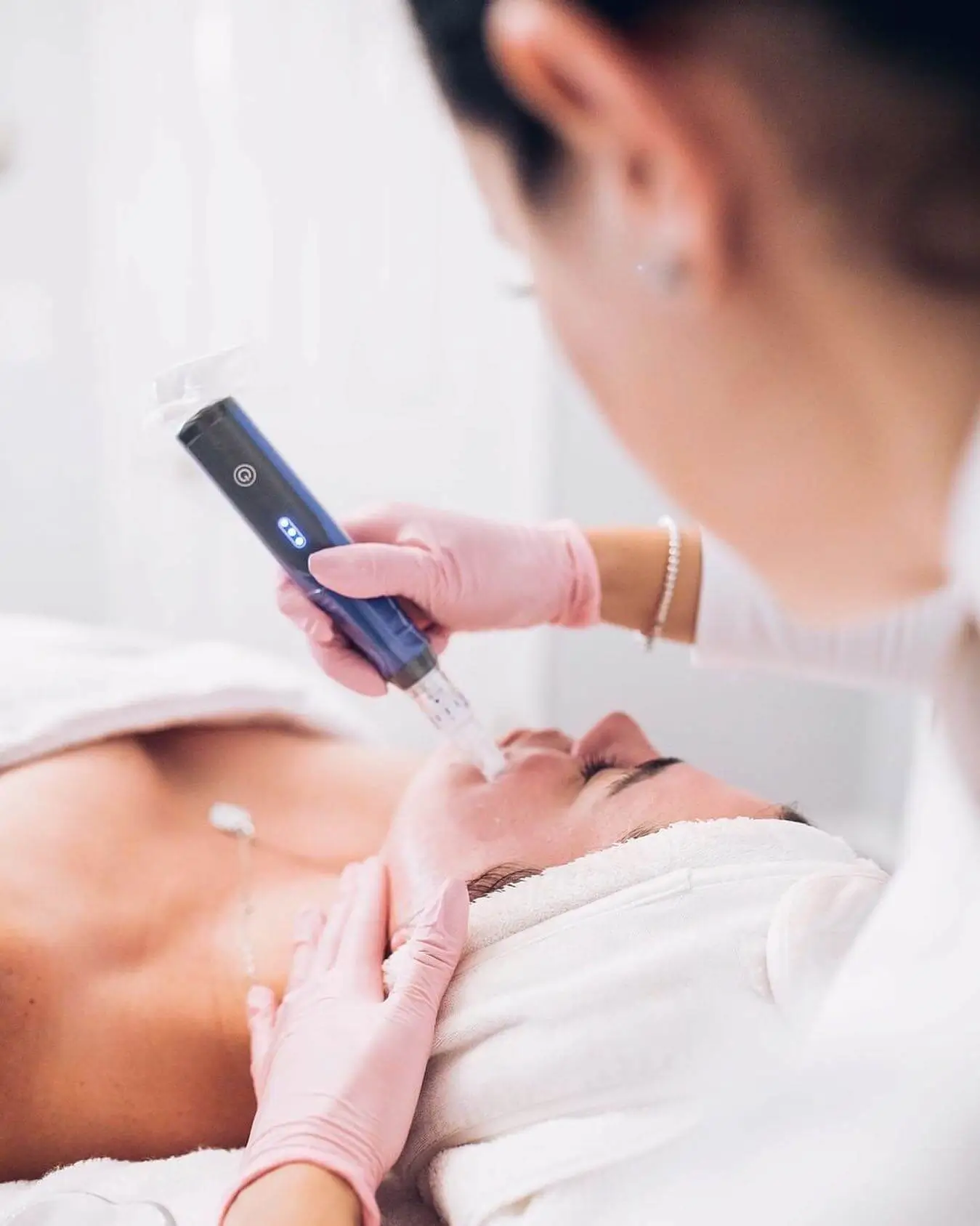
Start with what you are seeing
Flat brown marks after acne can be post-inflammatory pigmentation. Flat red or pink marks may reflect lingering redness. These differ from scars that change the skin’s surface, although both can occur together.
Broad depressions with sloping edges. Some are tethered to tissue underneath, which can affect the treatment approach.
Depressions with more defined edges. Their depth helps determine which options are worth considering.
Narrow, deep indentations. These may need a targeted approach beyond general skin resurfacing.
Raised scars also occur and need a different assessment. If scars are raised, painful or changing, start with medical advice. For flat dark marks, explore our pigmentation page.
Your goals guide the conversation
Perhaps you notice your scars most in certain light. Perhaps you have tried treatment before and are unsure what to do next. There is room for that conversation here. We start with what matters to you, including how much time, recovery and expense feels reasonable.
The aim is to make suitable scars less noticeable. Complete removal cannot be promised, and the degree of improvement varies. We will explain the limitations as well as the possibilities.
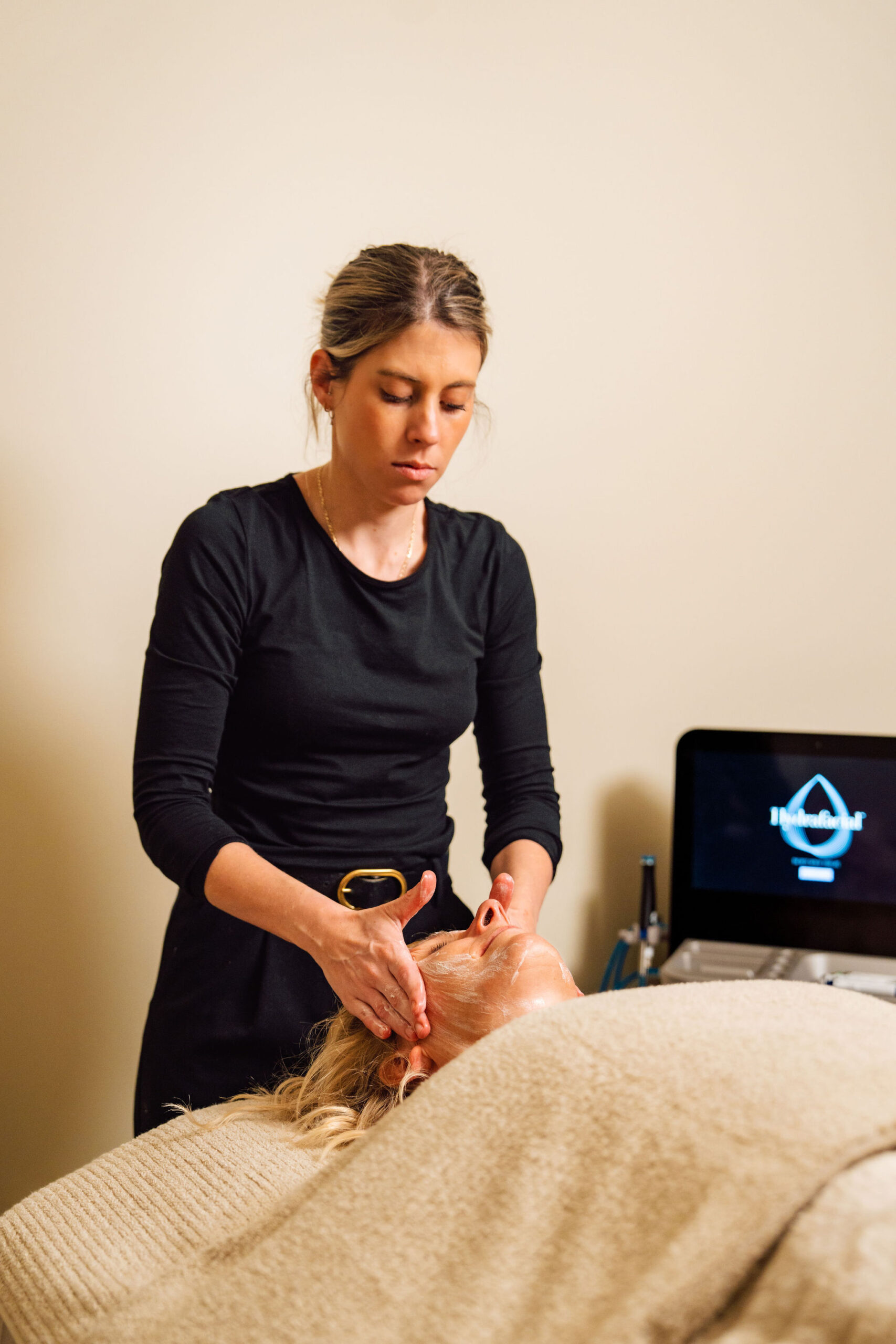
At your consultation
We assess the scar types present, any active acne, your skin tone and previous treatment response. Tell us about current and recent acne medicines, your skincare and any history of unusual scarring.
Bring your questions about cost and recovery. Skin imaging provides a starting point for review, and your plan sets out the proposed next steps.
If acne is still active, getting it under control may come first. Explore acne care.
Acne scarring treatment in Sydney
Your assessment guides which options to consider. A combination may be useful, but more treatment is not automatically better.
Deep, tethered or raised scars may need a different procedure or specialist care. If the treatments available at TCMA are not the right fit, we will discuss that with you.
Explore all TCMA services or read how collagen stimulation works.
Give your skin time
Agree on priorities, address active acne where needed and discuss skincare, costs and recovery.
Schedule suitable treatment with preparation and aftercare explained before you proceed.
Compare your progress before deciding whether further treatment is worthwhile.
Remodelling takes time. Session numbers and spacing depend on the procedure and your response, rather than a fixed timetable for everyone.
Choose your starting point
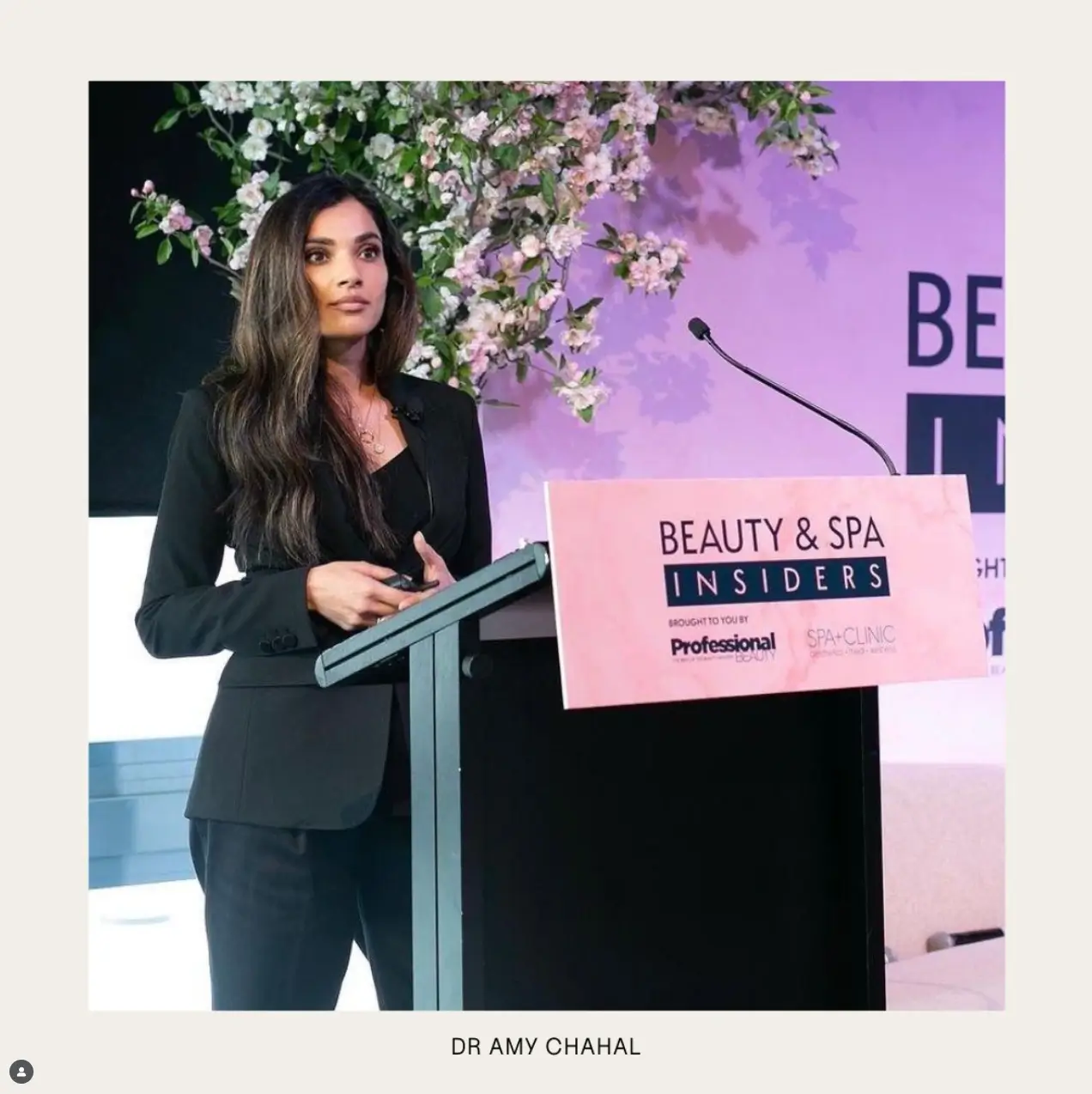
Visit TCMA at 240 Riley Street, Surry Hills. Choose complexion care with our dermal team or a consultation with Dr. Amy Chahal.
With our dermal therapists. Skin imaging, a skincare review and a staged plan for your complexion.
Deposit redeemable against treatment only, not products.
With Dr. Amy. Discuss acne scarring as your main concern, with assessment and advice on suitable options.
Consultation fee. Non-redeemable.
With Dr. Amy. A broader plan for ageing well, considering cosmetic medicine, skin treatments and skincare together.
60-minute consultation. Non-redeemable.
Your appointment is confirmed once you successfully complete your online booking through Timely. Treatment costs are discussed after assessment. Need help choosing? Call (02) 8074 1559.
Treatment can improve the appearance of some scars, but complete clearance is not a realistic promise. We discuss what may be achievable for your particular scars.
There is no single best option for every scar. Type, depth, skin tone and previous response matter. We can explain the differences between the available options at your consultation.
You can book an assessment. Active acne may need care before scar procedures, to reduce the risk of further scarring. Tell us about any acne medicines you use.
Consultation fees are shown above. Treatment costs depend on the procedure, area and proposed number of sessions. You will receive an explanation of costs before deciding. You do not need to purchase a package to have an assessment.
These depend on the procedure and settings. Possible effects include discomfort, redness, swelling and crusting. Risks can include infection, pigment changes and further scarring; energy-based procedures can also cause burns. Your practitioner will explain the risks and aftercare for your proposed treatment.
Yes. Choose the Focused Consultation for acne scarring as your main concern, or the Strategy Session for a broader plan. Both can include cosmetic medicine planning where appropriate. The Complexion Consultation is with our dermal therapy team.
Further reading: American Academy of Dermatology: acne scar treatment · DermNet: acne scarring · TCMA guides · A second opinion
Further reading
Morpheus8 or Sofwave · How long results last · All guides · A second opinion