Enlarged pores & texture
Make sense of visible pores, congestion and uneven texture, with a practical starting point for your skin.
Skin concerns · Surry Hills, Sydney
You do not need to know the treatment name. You can simply tell us what you have noticed.
Explore a concern below, or talk it through with our team. At TCMA, we help you understand your options and choose a next step that makes sense for you.
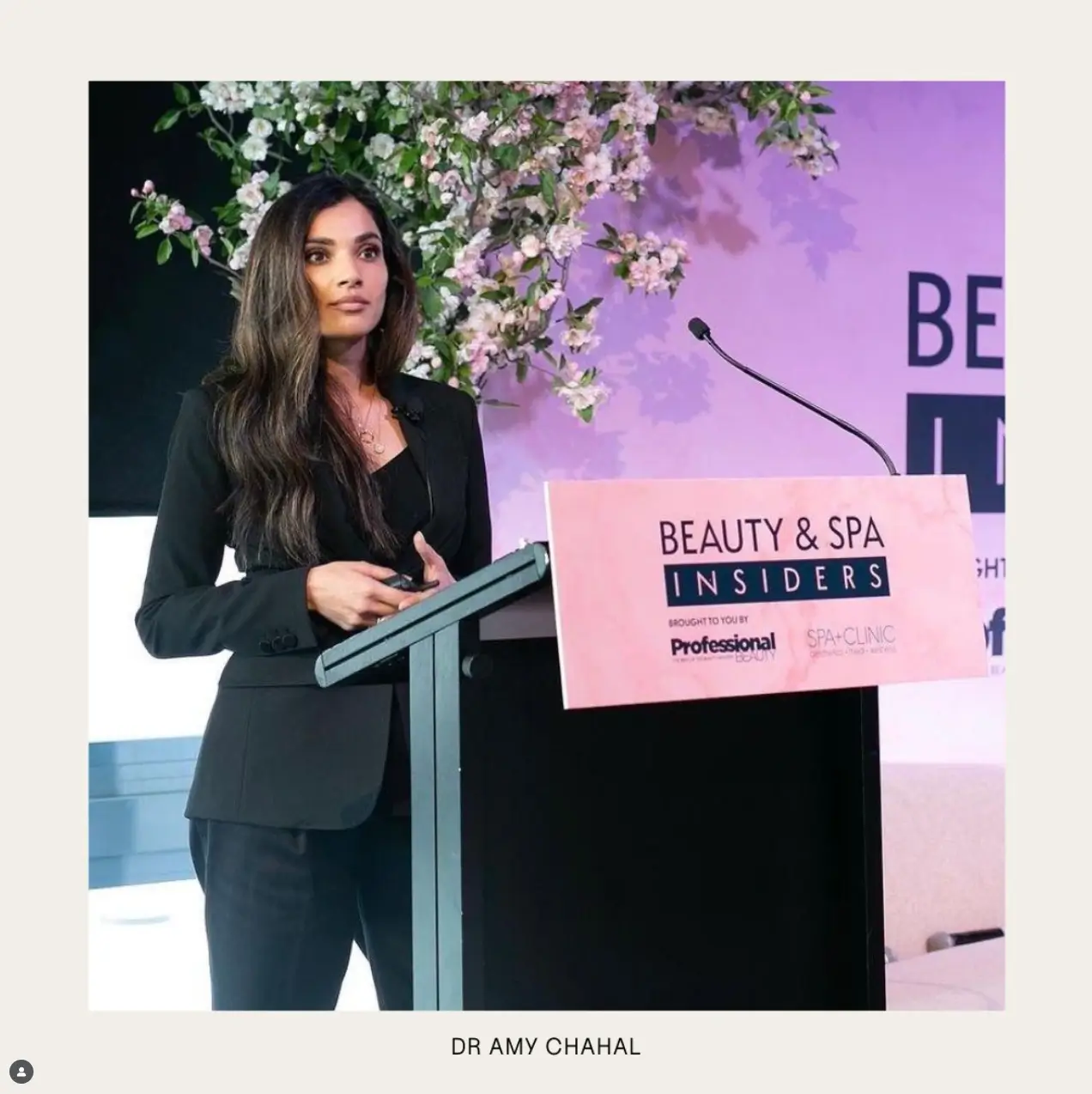
Care with Dr. Amy Chahal and our dermal therapy team.

Find your starting point
More than one may feel familiar. These pages can help you explore; they do not replace an individual assessment or medical diagnosis.
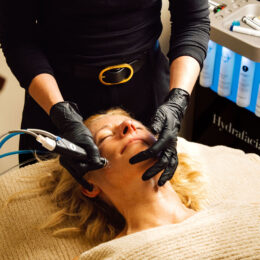
Make sense of visible pores, congestion and uneven texture, with a practical starting point for your skin.
Understand colour, shadows and puffiness, with a considered consultation with Dr. Amy.
Patches or marks that keep returning? Understand the different types and how assessment guides your options.
Make sense of breakouts, your current routine and when medical advice is the right next step.
Explore care for texture and scars left after acne, with realistic expectations and a staged approach.
For skin that flushes, feels sensitive or stays red. Start with understanding the pattern.
Talk through the changes you notice and the care you would like to consider over time.
Understand changes in firmness and what different approaches can and cannot offer.
A conversation with Dr. Amy about changes after weight loss or over the years.
Explore your concerns about how your skin looks and feels, and where to begin.
Discuss your questions about facial balance and whether any intervention is appropriate.
Find a starting point for your skin concerns, routine and treatment questions.
You can start with a question
Perhaps your routine no longer feels right. Perhaps you are curious about treatment, but hesitant about the next step.
Bring that uncertainty with you. We will listen to what you have tried, what matters to you and what you want to preserve. You can ask questions before deciding on care.
What happens next
Discuss your concerns, current routine, health and treatment history. Assessment helps guide the conversation.
Understand suitable care, costs, limitations and recovery. Medical advice or a referral may be the appropriate next step.
If you proceed, agree on priorities and review points. Your plan can evolve with your response and longer-term goals.
Care over the years
Dr. Amy’s consultations can consider cosmetic medicine, skincare and skin treatments together. A Strategy Session gives you time for a broader discussion about ageing well and maintaining skin health over the years.
That includes discussing what can wait and whether a treatment is appropriate at all.
Choose your consultation
Visit TCMA at 240 Riley Street, Surry Hills, Sydney. Choose one concern, a complexion review or a broader plan with Dr. Amy.
With our dermal therapists. Review your skin, routine and suitability for skin treatments, including when medical assessment is needed.
$100
Deposit redeemable against treatment only, not products.
With Dr. Amy. Discuss one main concern, with assessment and cosmetic medicine planning where relevant.
$150
Consultation fee. Non-redeemable.
A 60-minute consultation with Dr. Amy for a longer-term plan across cosmetic medicine, skincare and skin treatments.
$250
Consultation fee. Non-redeemable.
Your appointment is confirmed once you successfully complete your online booking through Timely. Treatment fees are separate. Compare consultations or call (02) 8074 1559 for help choosing.