What you notice
Tell us where you see a change and what, if anything, you would like help with. Your priorities set the direction.
Skin laxity & ageing · Surry Hills, Sydney
If you have noticed a softer jawline or a change in firmness, you may be wondering what is worth doing.
Start with a conversation with Dr. Amy. We will help you understand the changes, consider your options and build a measured plan that fits your priorities.
A broader Strategy Session or one-concern Focused Consultation. Clear fees, time for questions and no commitment to treatment.
A little clarity
Skin laxity means reduced firmness or looseness. Changes in facial shape can also involve the tissues beneath the skin. An assessment helps us distinguish these, rather than assuming every change needs tightening.
Tell us where you see a change and what, if anything, you would like help with. Your priorities set the direction.
Dr. Amy considers your skin and facial structure alongside your history. The Strategy Session includes 3D imaging and facial analysis.
Your budget, recovery time and preferences matter when deciding which options belong in the plan.
Explore how the face ages or fine lines and wrinkles.
Your choices, explained
Perhaps you want to be proactive but are wary of doing too much. Perhaps previous treatments have left you unsure what to try next. There is space to talk that through.
We discuss what may help, the limits of treatment and what can wait. You can take time to decide. Ageing does not create an obligation to have a procedure.
Skin tightening options in Sydney
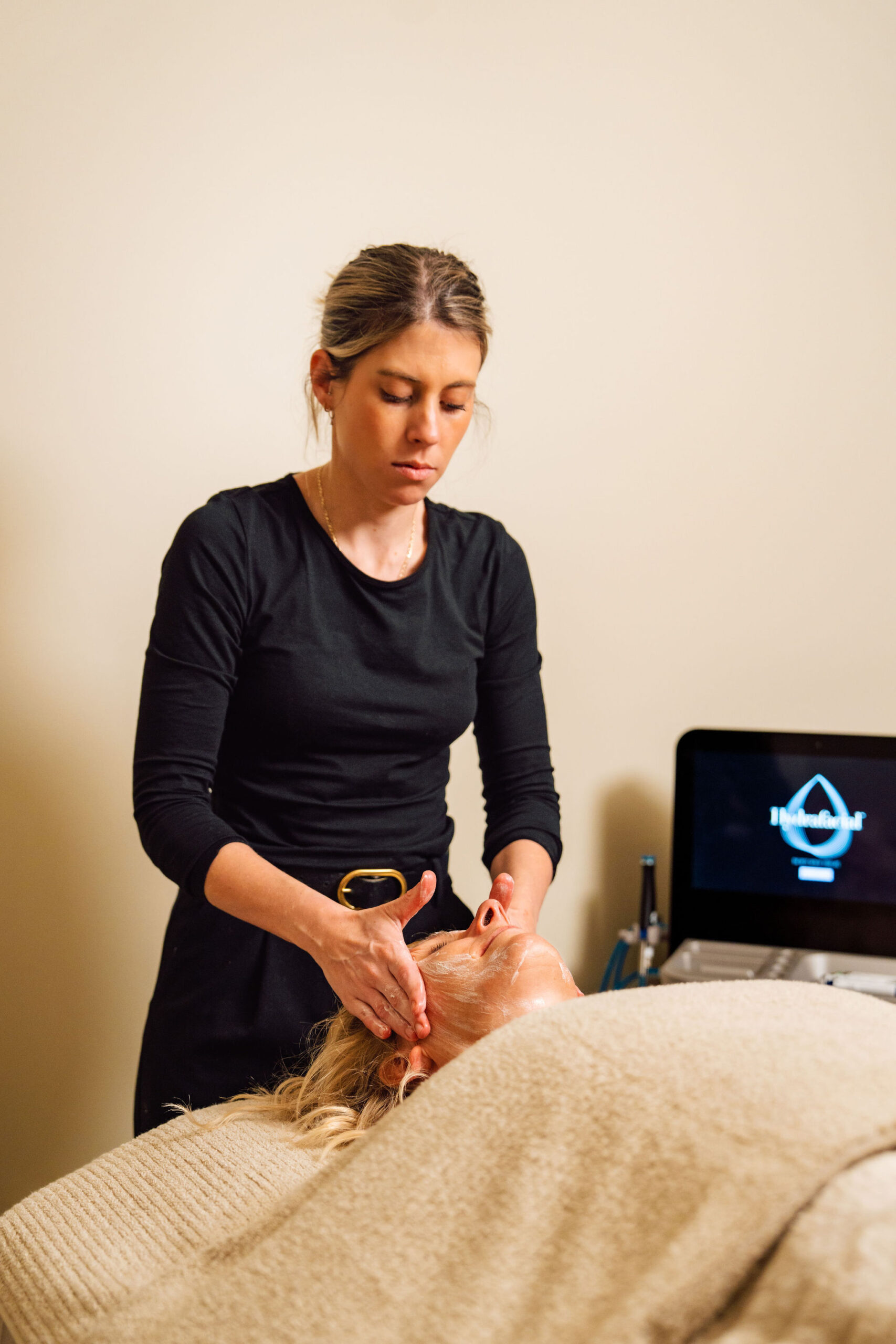
Non-surgical tightening may offer modest improvement for suitable people. It cannot reproduce a surgical lift. If your goals are unlikely to be met by the available treatments, we will discuss alternatives, including whether a surgical opinion would be useful.
Sofwave treatment is performed at FutureSkin in Rosebery. Your TCMA consultation remains a place to consider how it fits your overall care.
Compare Morpheus8 and Sofwave ↗
Comfort, recovery and risks vary with the procedure. These can include pain, redness, swelling, burns, pigment changes or scarring. Your practitioner will explain the specific risks, alternatives and aftercare before you decide.
Age well, with a plan
Through perimenopause, menopause and the years beyond, your skin and priorities may change. Dr. Amy can help you revisit what you need from your skin care, with cosmetic medicine, skin treatments and your everyday routine considered together.
Talk through your goals and assessment, and agree on a practical starting point.
Consider suitable options, timing, cost and recovery before booking treatment.
Review your response before deciding on further treatment or maintenance.
Results develop at different rates and are not guaranteed. Review timing is tailored to the treatment and your response.
Choose your starting point
Visit TCMA at 240 Riley Street, Surry Hills. Choose complexion care with our dermal team or a consultation with Dr. Amy Chahal.
With our dermal therapists. Skin imaging, a skincare review and a staged plan for your complexion.
Deposit redeemable against treatment only, not products.
With Dr. Amy. Discuss skin laxity as your main concern, with assessment and advice on suitable options.
Consultation fee. Non-redeemable.
With Dr. Amy. A broader plan for ageing well, considering cosmetic medicine, skin treatments and skincare together.
60-minute consultation. Non-redeemable.
Your appointment is confirmed once you successfully complete your online booking through Timely. Treatment costs are discussed after assessment. Need help choosing? Call (02) 8074 1559.
The $250 Strategy Session with Dr. Amy is for a broader facial assessment and long-term roadmap, including 3D imaging. The $150 Focused Consultation is for one concern. For complexion care with our dermal therapists, choose the $100 Complexion Consultation.
Some people see modest tightening, depending on the procedure and degree of laxity. Significant excess skin or tissue descent may need a different approach. Assessment helps set realistic expectations.
There is no deadline to begin. Your concerns, preferences and suitability matter more than a particular birthday. A consultation can help you decide whether any treatment makes sense for you.
Duration varies with the treatment and individual response, and ageing continues. We review progress before recommending further sessions rather than assuming everyone needs annual treatment.
TCMA offers consultation and planning. Sofwave treatment is performed at FutureSkin in Rosebery. If it is appropriate for your plan, we will explain the pathway. See Sofwave details and treatment booking options.
No. It is included in the Strategy Session and Focused Consultation with Dr. Amy where relevant to the scope of your appointment. Treatment fees are separate from consultation fees.
Weighing up lifting and tightening options? Our illustrated guide to FaceTite vs thread lift vs facelift explains their different roles, collagen stimulation and care across multiple layers.
Further reading: American Academy of Dermatology: skin tightening options · Collagen stimulation explained · A second opinion
Further reading
Morpheus8 or Sofwave · How long results last · All guides · A second opinion