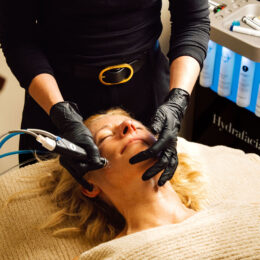
Morpheus8 vs Sofwave: which suits your skin?
TCMA · Surry Hills, Sydney · About Dr. Amy Chahal
Morpheus8 and Sofwave can both be useful for appropriately selected patients seeking gradual improvement in skin quality or firmness. Morpheus8 uses radiofrequency microneedling and may suit texture, selected acne scars and mild laxity. Sofwave uses ultrasound through the skin surface and may suit mild laxity and fine lines, particularly when minimising surface recovery is a priority.
Start with the change you want to see
If you want smoother texture as well as firmer-looking skin, Morpheus8 may offer a useful combination of effects. If your skin texture is already fairly even and you are mainly noticing early looseness, Sofwave may be a suitable option. These are starting points for assessment, rather than rules that apply to every face.
At TCMA in Surry Hills, we assess your concern and offer Morpheus8 treatment. Sofwave treatment is performed at FutureSkin in Rosebery. Your TCMA consultation can help you consider either option in the context of your concern, anatomy and priorities. The aim is a worthwhile improvement that fits your face and your life, with a clear explanation of the likely benefit and recovery before you decide.
How they work
Morpheus8: adjustable radiofrequency microneedling
Morpheus8 delivers radiofrequency energy through fine needles. The practitioner selects the depth and energy for the area and concern being treated. This flexibility can be useful when different parts of the face need different approaches.
There is no single depth that is appropriate across every face. Treatment depth must account for local skin thickness, underlying tissue and the intended effect. Greater depth is not automatically more beneficial.
Sofwave: ultrasound delivered through the surface
Sofwave delivers ultrasound energy to targeted tissue in the dermis, with cooling at the surface. It is designed to produce a thermal response without needle entry or ablative resurfacing. That can be an advantage for patients who prefer to avoid the visible pinpoint marks associated with microneedling.
Both approaches can initiate tissue remodelling over the following months. Depth is one difference, but the treatment goal, energy delivery, recovery and individual anatomy also influence the choice.
Morpheus8 and Sofwave side by side
| Consideration | Morpheus8 | Sofwave |
|---|---|---|
| Technology | Radiofrequency delivered through microneedles | Ultrasound delivered through the skin surface |
| Reasons to consider it | Selected acne scars, uneven texture and mild laxity | Mild laxity, fine lines and selected brow, neck or under-chin concerns |
| Treatment approach | Needle depth and energy tailored to the area | Targeted dermal heating with surface cooling |
| Surface recovery | Pinpoint marks, redness and swelling may require several days of planning | Usually less surface recovery, although redness, swelling or tenderness can occur |
| Comfort | Pain relief and preparation discussed before treatment | Can be uncomfortable; cooling and an individual pain-relief plan matter |
| Course | Sessions and spacing depend on the concern and response | Initial treatment plan followed by review; additional sessions depend on response |
| Skin tone | May suit a range of tones with appropriate selection and settings | May suit a range of tones; surface preservation does not remove all risk |
When Morpheus8 may be a good fit
Morpheus8 is worth discussing when the concern combines skin texture with selected scarring or mild laxity. Adjustable treatment parameters allow the practitioner to plan around differences between areas, rather than treat the whole face identically.
Someone with textural changes after acne and an interest in gradual skin-quality improvement may have a different reason to choose it from someone concerned only about early looseness. The assessment should clarify which changes are likely to respond and which need another approach.
A small clinical study of RF microneedling in 25 women found improvement in skin measures and increased dermal collagen after treatment. It supports the approach, although results from one protocol cannot predict every Morpheus8 outcome. Read the RF microneedling study.
Plan for recovery appropriate to the proposed protocol. Pinpoint marks, redness, swelling and tenderness can occur, and stronger treatment does not simply mean a better result. Explore Morpheus8 at TCMA.
When Sofwave may be a good fit
Sofwave is worth discussing when fine lines or mild skin laxity are the main concern and a treatment without needle entry appeals to you. Selected patients seeking a gradual improvement around the brow, neck or under the chin may be suitable candidates.
The practical benefit is less disruption to the skin surface. That can make treatment easier to plan around work and daily life, while still allowing for discomfort and temporary redness, swelling or tenderness. Minimal surface recovery should not be interpreted as a guarantee of no downtime.
A small prospective study involving 15 people reported improvement in facial laxity at three and six months after two treatments. This supports its potential for selected patients, while leaving uncertainty about the size and duration of an individual’s response. Read the Sofwave study. Explore Sofwave treatment at FutureSkin.
What a good assessment should establish
A useful consultation connects the concern you see with the tissue changes that may be contributing. It should cover your goals, skin and medical history, previous procedures, available recovery time and budget.
Ask what improvement would be realistic, how it will be assessed, the proposed course and total cost, and when to review. The device and practitioner both matter: suitable equipment, appropriate settings, technique and follow-up work together.
Mild laxity can be a reasonable treatment goal. Substantial excess skin, marked tissue descent or volume loss may need a different approach, especially if you are seeking a larger change. That distinction helps identify patients for whom these treatments can offer a worthwhile benefit.
Benefits and risks belong in the same conversation
These are medical procedures. For an appropriate patient, the expected improvement may justify treatment; that decision includes understanding the risks and alternatives.
RF microneedling can cause pain, redness, swelling and pigment changes. Serious complications have also been reported with certain uses, including burns, scarring, unwanted fat loss and nerve injury. The US FDA issued a safety communication in October 2025. It does not establish that every patient or every protocol has the same risk. FDA RF microneedling safety information.
Sofwave can cause pain, tenderness, redness and swelling; its manufacturer also lists potential pigment changes, bruising and ulceration or erosion. Suitability depends on screening for contraindications and precautions. Sofwave safety information.
Bring the options into one plan
A Strategy Session with Dr. Amy Chahal helps you consider cosmetic medicine, skincare and skin treatments together. Build a written roadmap to help you age well, with review and maintenance over the years.
For one specific medical aesthetic concern, choose a Focused Consultation. For skin treatments and skincare planning, a Complexion Consultation with our dermal therapists has a $100 deposit redeemable against treatment only, not skincare products.
Your assessment helps establish whether Morpheus8, Sofwave or another approach fits your goals. See Morpheus8 treatment options and fees, Sofwave treatment options, fees and the FutureSkin location, or read our collagen stimulation guide.
Book a Strategy Session with Dr. Amy
Strategy Session: $250 consultation fee, not redeemable against treatment. Your appointment is confirmed once you successfully complete your online booking through Timely.