TCMA patient guides · Menopause & skin
Dry Skin During Perimenopause: What Helps
Your usual moisturiser no longer seems enough. Your face feels tight after washing, or makeup catches on patches that weren’t there before. Dry skin during perimenopause can be frustrating, especially when you haven’t changed a thing.
For an overview of this stage of life, see our guide to skin changes during menopause.
Why does skin feel drier during perimenopause?
Hormonal changes around menopause can affect how well skin retains moisture. That can make a familiar routine feel less comfortable. Dryness is only one part of the picture, though: weather, cleansing habits and skin conditions can also play a role. A change in your skin alone cannot tell you whether you’re in perimenopause. The American Academy of Dermatology explains menopause-related skin changes.
The useful question is what your skin needs now. Start with how it feels through the day, what seems to aggravate it and whether there is a rash as well as dryness.
Three changes worth starting with
1. Make cleansing gentler
Use a mild, fragrance-free cleanser and lukewarm water. Keep showers short, pat skin dry and avoid scrubbing at flaky patches. If your skin feels tight straight after cleansing, bring that up when reviewing your routine.
2. Moisturise while skin is still damp
Apply moisturiser soon after washing and again when your skin feels dry. Keep a body moisturiser somewhere you’ll actually use it, such as beside your towel. These small habits are easier to maintain than a complicated routine. Read the AAD’s advice on relieving dry skin.
3. Look at the texture of your moisturiser
A cream or ointment may be more helpful than a light lotion for dry skin. Ingredients such as ceramides and hyaluronic acid can help with hydration, but the whole formula and how your skin tolerates it matter. You don’t need a product labelled specifically for menopause. The AAD’s moisturiser guide explains the differences.
What about exfoliating the flakes?
It’s tempting to try to polish them away. Dry, peeling skin may become more irritated with exfoliation, so start by supporting moisture and reviewing the products you’re already using. If an active product is stinging, don’t add another one to solve the problem. Persistent irritation needs assessment.
Bring the names of your cleanser, serums, exfoliants and moisturiser to your appointment. Include how often you use them. A product that seems gentle on its own may be part of a much busier routine than you realise.
Keep sun protection in place too. Cancer Council Australia recommends combining sunscreen with shade, clothing, a hat and sunglasses. See its SunSmart advice.
When dryness needs a closer look
Arrange a medical review if itching is severe, keeps coming back, affects your daily life or involves your whole body. A persistent rash also deserves attention. There may be another cause that needs treatment. NHS guidance on itchy skin explains when to see a GP.
You can also book a skin review before things reach that point. If you’re spending money on products and still feel unsure, a consultation can help you decide what to keep, what to change and what needs further assessment.
A clearer plan for your skin.
Bring your current skincare and tell us what has changed. Our dermal therapists can help you simplify your routine and plan suitable skin treatments, with medical review arranged where needed.
Book a Complexion Consultation
With our dermal therapists · $100 deposit, redeemable against treatment only, not skincare products.
Prefer to see Dr Amy?
Choose a Focused Consultation for one skin concern, or a Strategy Session for a broader plan.
Book a Focused Consultation with Dr Amy
$150 consultation fee, not redeemable against treatment.
Let’s make your routine feel manageable again.
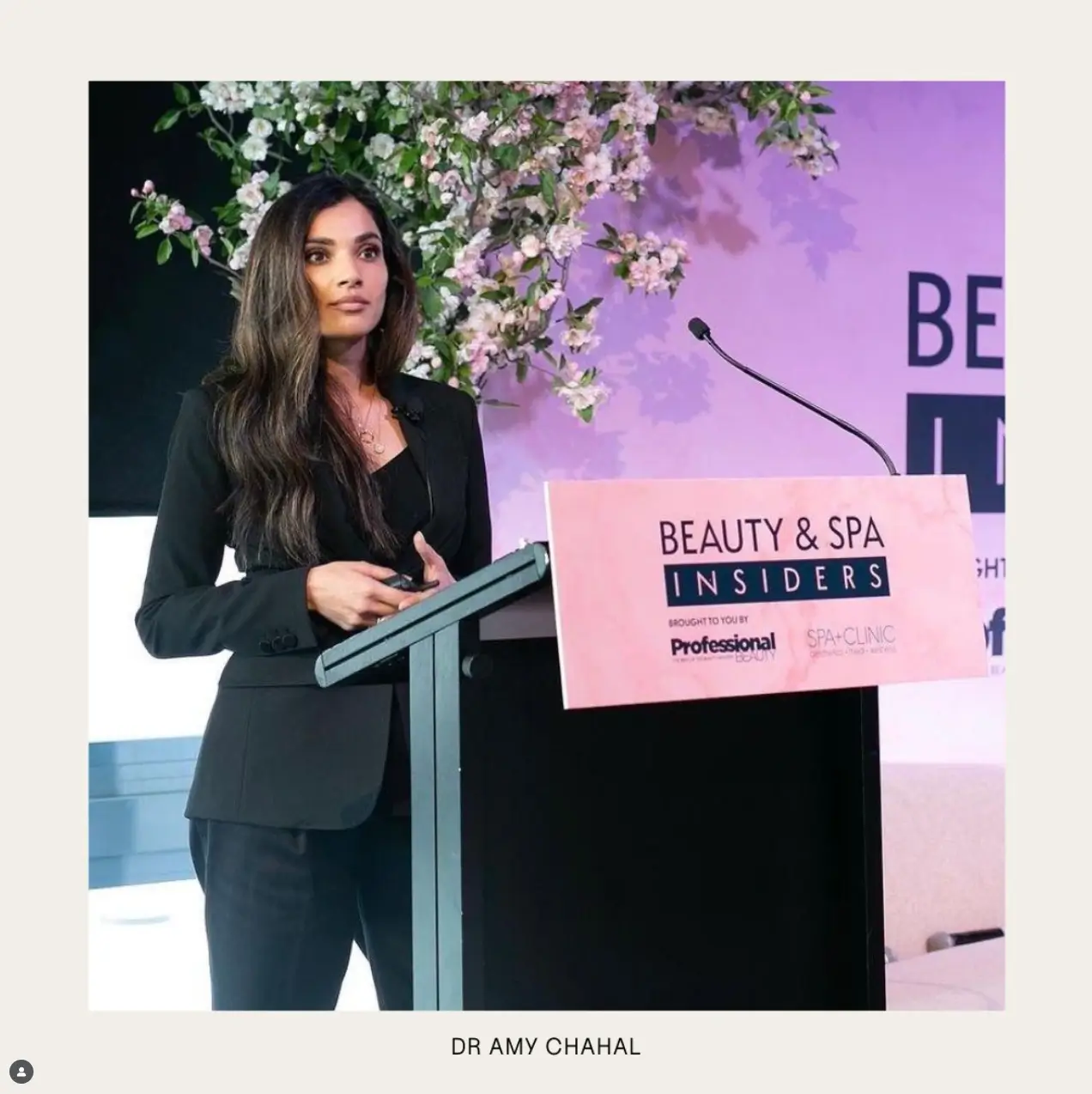
Dr Amy Chahal can help you put dryness into the context of your wider skin concerns. In a Strategy Session at TCMA in Surry Hills, you can discuss what has changed and build a personalised roadmap, with clear priorities and time to review how your skin responds.
Build your skin roadmap with Dr Amy
Strategy Session · $250 consultation fee, not redeemable against treatment.
TCMA · 240 Riley Street, Surry Hills, Sydney.
For focused skincare support, you can also choose a Complexion Consultation with our dermal therapists, with a $100 deposit redeemable against treatment. Compare consultation options or meet Dr Amy Chahal.
General skin education. Your care should be based on an individual assessment. For broader menopause symptoms and hormone-treatment decisions, speak with your GP or menopause clinician.