Facial fullness
You may notice a change in the contours of your cheeks or temples. Assessment looks at your face as a whole, alongside your history and priorities.
Facial volume loss · Surry Hills, Sydney
You may feel differently about a change in your face than you expected. There is room for that conversation.
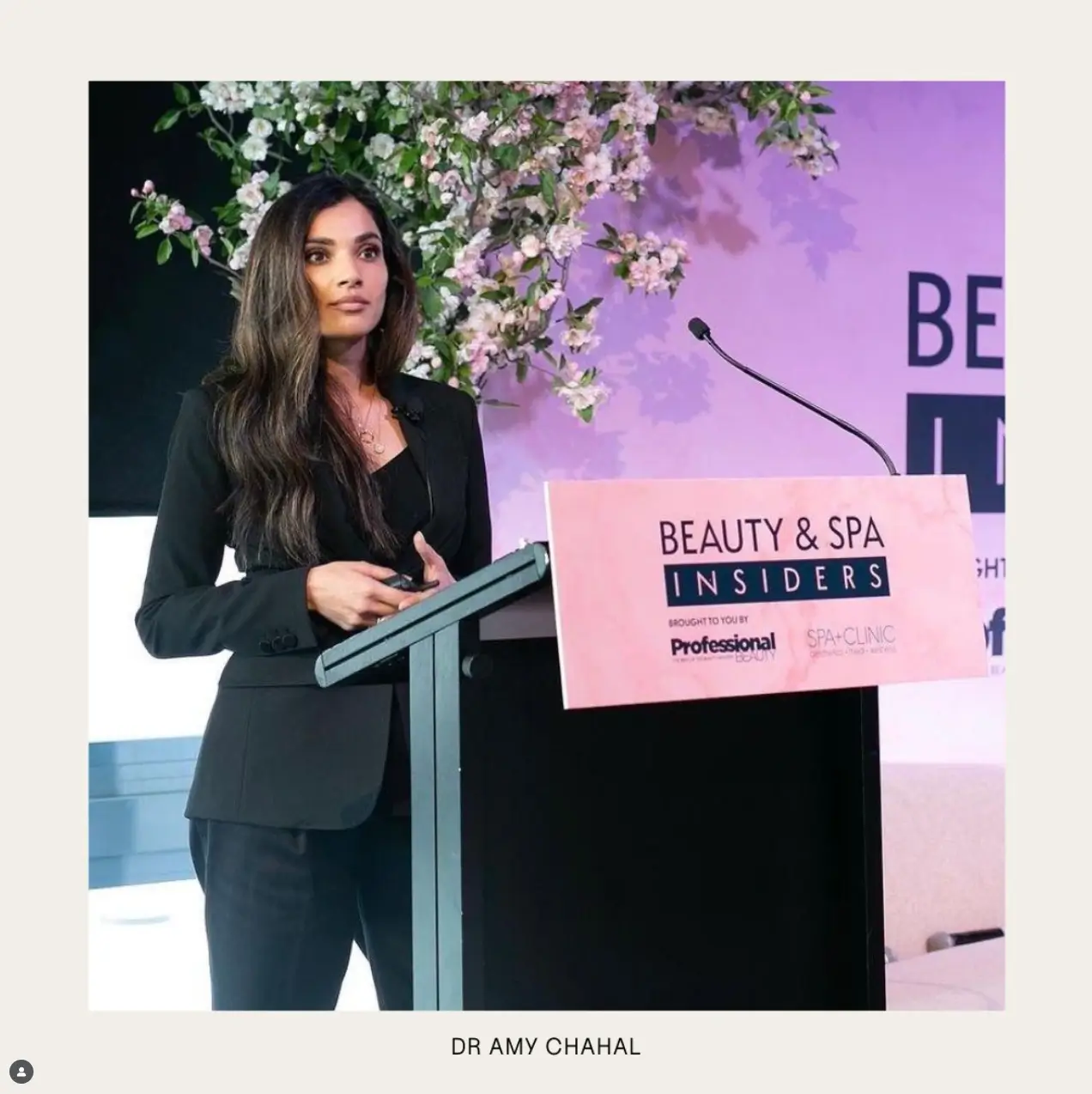
Whether you have noticed changes after weight loss or gradually over the years, Dr. Amy Chahal can help you understand what you are seeing and consider your options at your own pace.
Focused Consultation $150 · Strategy Session $250.
Consultation fees are non-redeemable.

Facial volume loss after weight loss
Weight loss can change facial fullness and make loose skin more noticeable. Ageing also affects the face over time. The extent and pattern vary from person to person; there is no single treatment that suits every change.
You may notice a change in the contours of your cheeks or temples. Assessment looks at your face as a whole, alongside your history and priorities.
Looser skin can change the appearance of the lower face or neck. It is a different consideration from reduced fullness.
Texture, dryness and fine lines may be part of what you notice too. We discuss these separately so your plan has a clear purpose.
A conversation without pressure
You can want advice without knowing whether you want treatment.
Tell Dr. Amy what you have noticed, what you would like to understand and what you want to keep. A consultation gives you space to discuss possibilities, limitations and concerns before making a decision.
A plan that can evolve with you
Your weight history, health, previous procedures and future plans all belong in the conversation. If things are still changing, timing becomes part of the decision. There is no need to arrive with a treatment already chosen.
Discuss your concerns and medical history with Dr. Amy. Imaging can support assessment and provide a record for future comparison.
Consider cosmetic medicine, skincare and skin treatments where appropriate, including what can wait. Understand likely costs and the limits of each option.
Review your response and goals over time. Your care can change as your skin, circumstances and preferences do.
Unexpected or unexplained weight loss deserves medical advice from your GP. Keep weight-management medicines and nutritional care under the guidance of your treating clinician.
Options with a clear purpose
Dr. Amy’s consultation includes cosmetic medicine planning alongside skincare and skin-treatment advice. Recommendations follow assessment; booking a consultation does not mean a procedure will be recommended.
Discuss your facial concerns, suitability, alternatives and the risks involved in any proposed care. Decisions are made individually with Dr. Amy.
Where skin laxity or texture is a separate concern, explore the role and limitations of suitable skin treatments as part of your plan.
Monitoring, waiting or a specialist opinion may be appropriate. If Sofwave is considered, treatment is offered at FutureSkin; TCMA can include it in your plan and refer you there.
Procedures have different risks, recovery periods and limitations. These are discussed before treatment, along with alternatives and the option to do nothing. Results vary.
Care over the years
A Strategy Session gives you time to consider how cosmetic medicine, skincare and skin treatments could fit together over the longer term. The aim is a practical plan you understand, with priorities and review points.
If perimenopause or menopause is part of your story, bring it into the conversation too. We can discuss your skin concerns in the context of what is changing for you.
Your starting point
Both consultations take place at TCMA, 240 Riley Street, Surry Hills, Sydney, and include cosmetic medicine planning where relevant to your concerns.
A 60-minute consultation with Dr. Amy for a broader plan: your priorities now, care over the years, and how cosmetic medicine, skincare and skin treatments may fit together.
$250
Consultation fee. Non-redeemable.
A consultation with Dr. Amy for one main concern, such as changes in facial fullness. Discuss your options and appropriate next steps.
$150
Consultation fee. Non-redeemable.
Your appointment is confirmed once you successfully complete your online booking through Timely. Treatment fees are separate. Compare all consultations or call (02) 8074 1559 for help choosing.
Yes. Reduced facial fullness and looser skin can follow substantial weight loss, although the changes vary. Assessment helps distinguish what you are noticing.
Tell Dr. Amy if your weight is still changing or you expect further changes. This can affect treatment planning and timing. You can have a consultation now without committing to a procedure.
Skin laxity and reduced fullness are different concerns. A skin-tightening procedure is not interchangeable with care for facial volume. The consultation helps clarify which concerns are relevant to you.
Say so. Discussing what you want to preserve is as important as discussing what you might change. No procedure can guarantee a particular appearance, and you can take time to consider the advice.
A Focused Consultation is for one main concern. A Strategy Session allows a broader discussion and a longer-term plan across cosmetic medicine, skincare and skin treatments.
No. You can discuss gradual facial changes or another concern about your appearance. Dr. Amy will consider your individual history.
Further reading: Research review: facial changes after substantial weight loss · TCMA guides
Further reading
Morpheus8 or Sofwave · How long results last · All guides · A second opinion