Fine lines & wrinkles · Surry Hills, Sydney
Fine lines, wrinkles
and early ageing
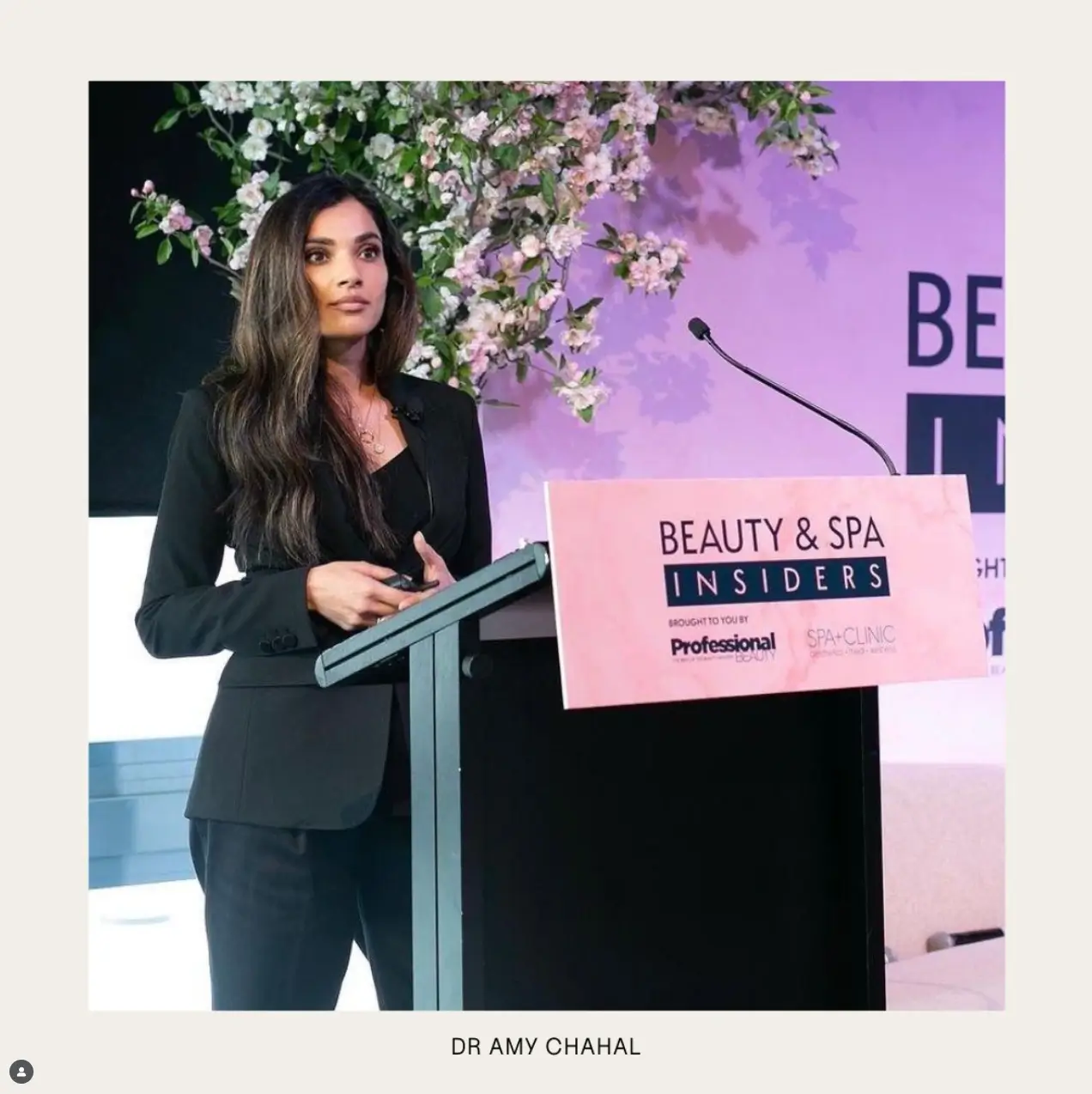
Noticing a change does not mean you need to change everything. Understand what you are seeing, explore your options and make a plan with Dr. Amy Chahal.
Cosmetic medicine assessment and planning with Dr. Amy.
One concern or a longer-term strategy for ageing well.
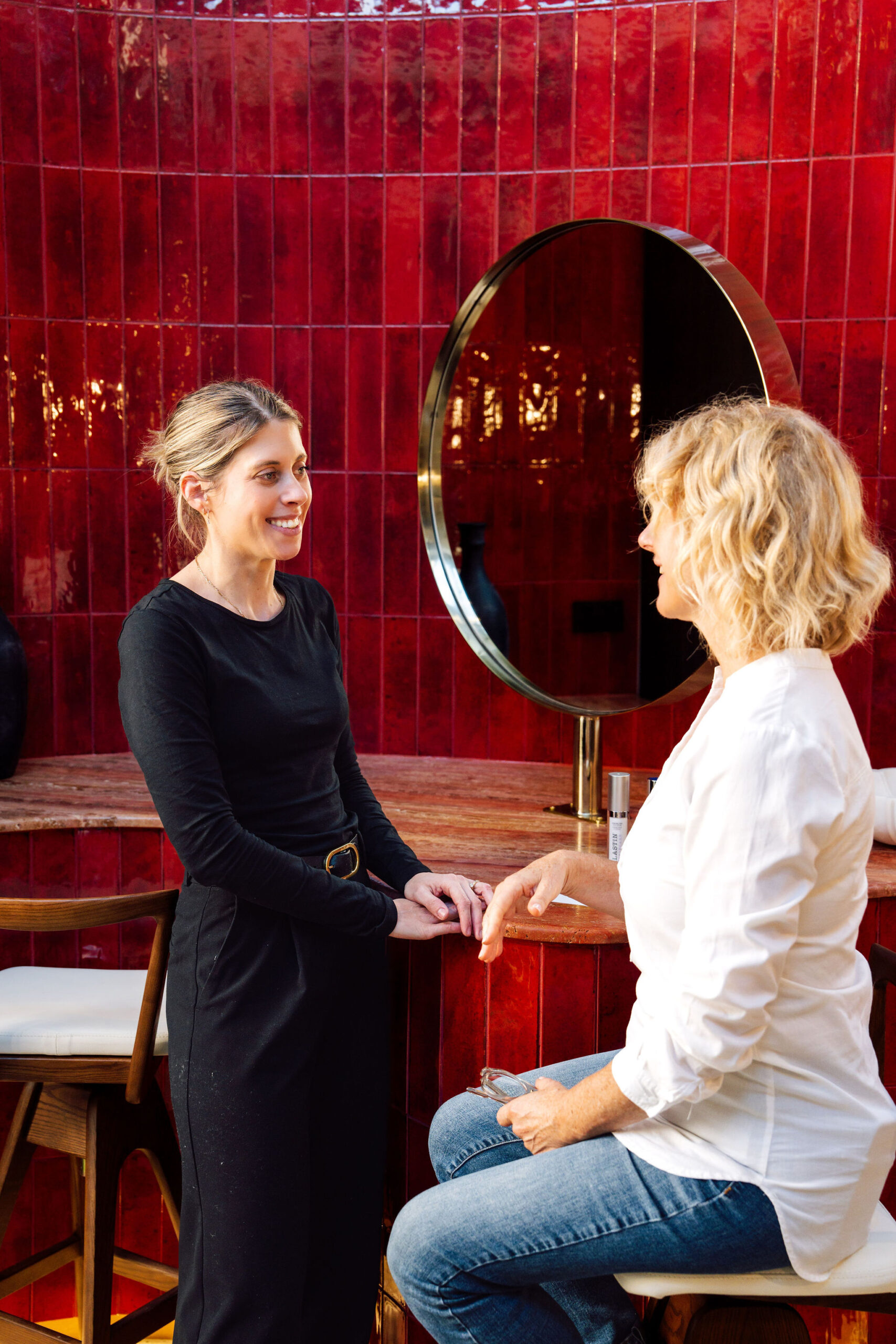
Start with an assessment
What helps depends on
what is causing the lines.
Fine lines and wrinkles can reflect facial movement, changes in collagen and elasticity, sun exposure and dryness. More than one factor may contribute. At TCMA in Surry Hills, assessment helps distinguish these changes before you decide whether treatment is worthwhile.
Lines are a normal part of a face. The conversation starts with what matters to you, not an expectation that every line should be treated.
01 / Expression
Lines with movement
Lines may appear when you smile, frown or raise your eyebrows. Dr. Amy looks at your face both moving and relaxed to understand your concern in context.
02 / Skin changes
Lines visible at rest
Some lines remain when your face relaxes. Skin structure, sun exposure and repeated folding can contribute. Depth and location help guide the assessment.
03 / Surface texture
Dryness and fine texture
Dryness can make fine lines more noticeable. Reviewing your skin barrier and routine can help clarify what is a surface concern and what needs a different approach.
Your consultation with Dr. Amy
A closer look.
A clearer explanation.
Cosmetic medicine assessment and planning are included in consultations with Dr. Amy. You will discuss your priorities, suitable options, potential benefits, risks and alternatives before making a decision.
You do not need to arrive with a treatment in mind. If a skincare adjustment or leaving an area alone makes more sense, that belongs in the conversation too.
Meet Dr. Amy Chahal →What we consider
- Which lines appear with movement and at rest
- Your skin quality, dryness and sun exposure
- Your medical history and previous treatments
- Your current skincare and how your skin tolerates it
- Your goals, budget and time for recovery
- How this concern fits your longer-term care
The Strategy Session includes 3D imaging and a written roadmap. The Focused Consultation centres on one concern or area.
Options, considered together
Build around your skin.
Not a treatment checklist.
A plan may bring together daily skin care, suitable skin treatments and cosmetic medicine assessment. These approaches have different purposes; they are not interchangeable, and not every option belongs in your plan.
Everyday skin care
Sun protection, moisturising and a routine your skin tolerates provide a practical starting point. We can review what you already use before suggesting additions.
Skin treatment assessment
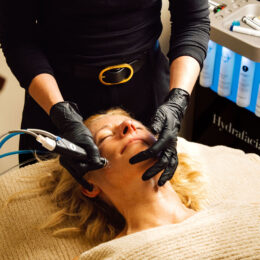
Where texture or sun-related changes are part of the concern, discuss whether a skin treatment is appropriate. Suitability depends on the area, your skin and your history.
Cosmetic medicine planning
Discuss your concerns privately with Dr. Amy, including previous care and what you hope to achieve. The consultation is an assessment, not a commitment to treatment.
Explore these treatment pages for information to discuss at your assessment:
If fine lines occur alongside reduced firmness, explore Sofwave suitability, recovery and treatment fees. Consultations are available at TCMA in Surry Hills; Sofwave treatment is performed at FutureSkin in Rosebery.
Treatment risks and recovery vary. Depending on the procedure, these can include redness, swelling, pigment changes, infection or scarring. Your practitioner will explain the relevant risks, expected recovery and aftercare. Results vary and complete removal of lines cannot be promised.
Browse all services →Ageing well over time
A measured plan.
Room to change your mind.
Your priorities may change through perimenopause, menopause or simply as the years pass. The Strategy Session considers cosmetic medicine, skincare and skin treatments together, with a written roadmap for what to consider now and what can wait.
At follow-up consultations, Dr. Amy can review your response and refine your plan. Timing and maintenance depend on your needs and any treatment chosen; there is no standard course everyone needs to follow.
Your next step · Book your consultation
Make time for your questions.
One concern or area
Focused Consultation
Cosmetic medicine assessment and planning with Dr. Amy for the concern you want to understand.
$150
Consultation fee · not redeemable against treatment. Treatment costs are separate.
What is included →The bigger picture · 60 minutes
The Strategy Session
A longer-term plan with Dr. Amy, considering cosmetic medicine, skincare and skin treatments together, with 3D imaging and a written roadmap.
$250
Consultation fee · not redeemable against treatment. Treatment costs are separate.
What is included →Your appointment is confirmed once you successfully complete your online booking through Timely. For skin and skincare guidance with a dermal therapist, explore the Complexion Consultation.
Before your visit
Fine lines and wrinkles: your questions
Which treatment is best for fine lines and wrinkles?
There is no single best treatment for every type of line. Assessment considers facial movement, skin quality, your history and your goals. Dr. Amy can explain suitable options, alternatives and whether treatment is appropriate.
Do I need to start treatment at a particular age?
No. Age alone does not determine whether you need treatment. Your concerns, skin and preferences matter more than a birthday. You can choose to focus on skin care and sun protection without having a procedure.
Can skincare improve the appearance of fine lines?
Moisturising can make dryness-related fine lines less noticeable, while sun protection helps limit further sun damage. Skincare has limits, particularly for deeper folds. Bring your routine so we can discuss what it can realistically do.
How long will results take, and is there downtime?
Both depend on the treatment, your skin and the area involved. Some changes develop gradually over months, and recovery can range from minimal disruption to a longer period of visible healing. Your practitioner will explain an individual timeframe before you proceed.
Will my lines disappear completely?
Complete removal cannot be promised. Discuss the degree of improvement that may be realistic, the limitations and the risks before deciding. Normal expression and ongoing skin ageing remain part of the picture.
Does my consultation include cosmetic medicine planning?
Yes. Both consultations with Dr. Amy include cosmetic medicine assessment and planning. Choose the Focused Consultation for one concern or the Strategy Session for a broader roadmap. Treatment is optional and charged separately.
Where is TCMA?
The Centre for Medical Aesthetics is at 240 Riley Street, Surry Hills, Sydney NSW 2010. Contact the team on (02) 8074 1559 for help choosing your appointment.
Keep reading
Understand the bigger picture.
Further reading: DermNet: facial lines and wrinkles and American Academy of Dermatology: wrinkle remedies.
Let’s find your starting point.
Bring what you have noticed and the questions you want answered.
240 Riley Street, Surry Hills · (02) 8074 1559
Contact the team