Cutera Enlighten picosecond laser · pigmentation, skin texture and collagen stimulation
A clearer complexion. Smoother texture. A plan for your skin.
Searching for PicoSure or PicoWay? Those are brand names for picosecond lasers. At TCMA we use Cutera Enlighten, another picosecond laser, and how the devices compare is explained below.
Explore pigmentation care and collagen stimulation with Cutera Enlighten at TCMA, Surry Hills. We tailor the treatment to your skin, your concerns and your goals.
Start with your concern: explore melasma and pigmentation treatment to understand sun spots, recurring patches and marks after acne before choosing a device.
Book a Complexion Consultation
Book Pico Genesis – full face · $750 →Already have a treatment plan? Book your recommended Pico Genesis session directly.
Full-face treatment from $750. Complexion Consultation: $100 deposit, redeemable against treatment only. Your practitioner will explain suitable options and costs before you decide.
Your Complexion Consultation is with Jess, Megan or Olivia, our dermal therapists. Medical review with Dr. Amy Chahal can be arranged where needed.
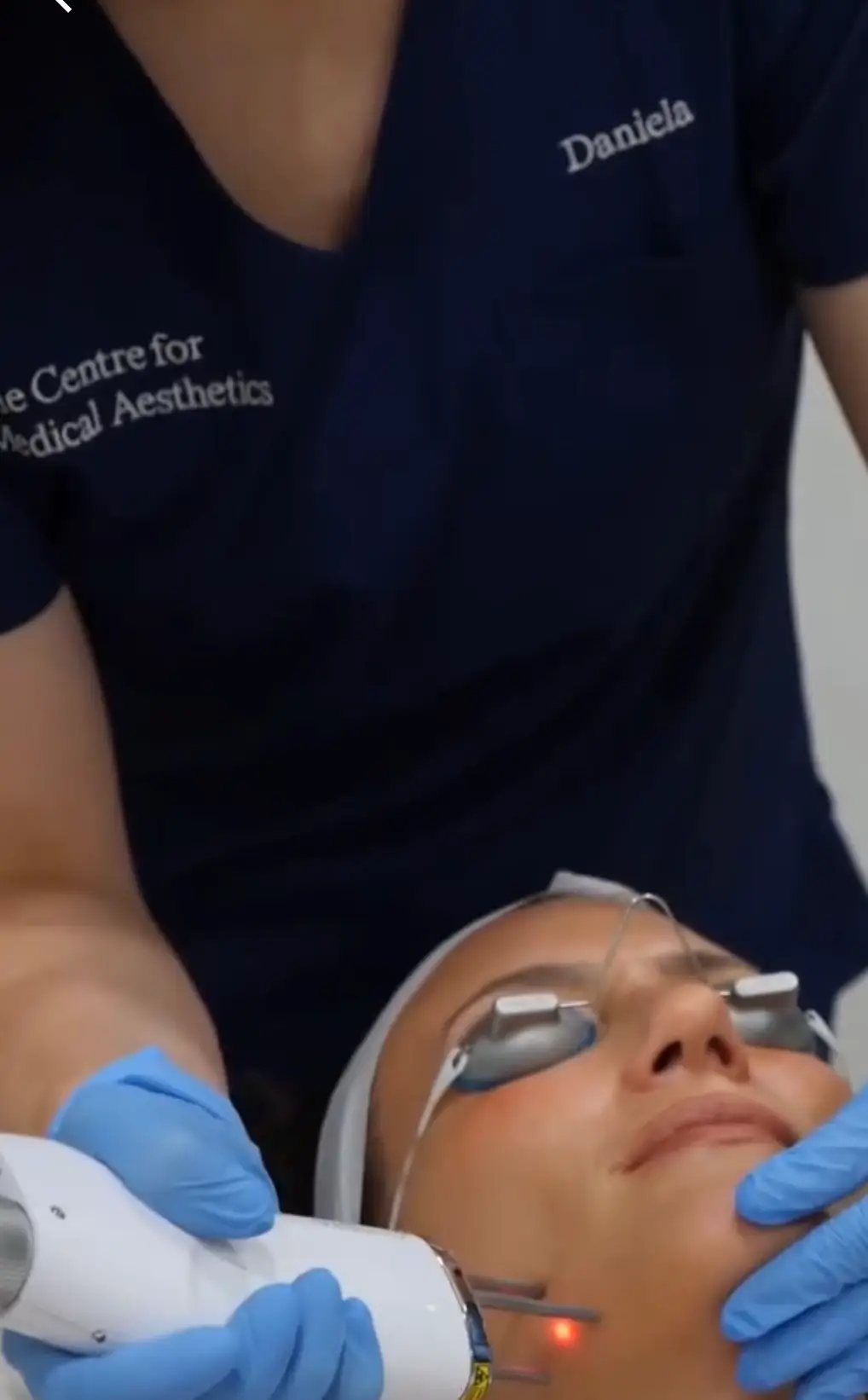
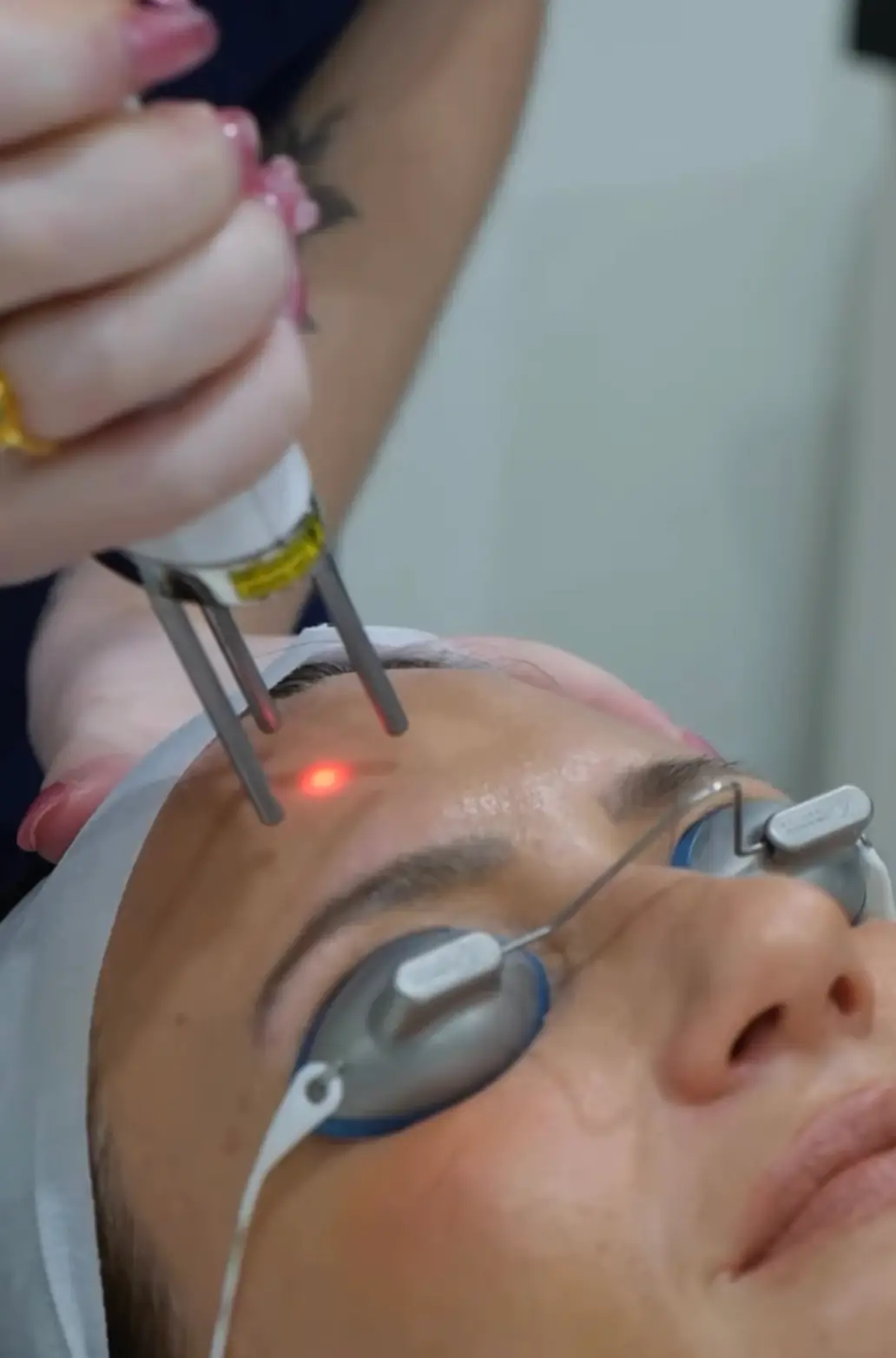
Pico lasers use very short pulses to break up targeted pigment, with a predominantly photoacoustic effect. This makes them a useful option for selected pigmentation concerns. The wavelength and settings are chosen for the mark being treated and the surrounding skin.
IPL uses filtered broadband light rather than a laser beam. Both technologies have a place in a pigmentation plan. At TCMA, your assessment helps us choose the approach that fits your skin and goals.
At TCMA, pico laser can form part of a personalised melasma plan. Choosing a clinic that carefully assesses your pigmentation, selects settings for your skin and reviews your response matters. We combine suitable laser treatment with skincare and sun protection, and adjust the plan over time. Melasma can recur, and laser can sometimes aggravate it, so ongoing care is part of the treatment.
TCMA uses the Cutera Enlighten, which offers picosecond and nanosecond pulse modes. Your practitioner selects the settings for the concern being treated, your skin tone and your treatment history.
Pico laser describes a category of laser technology. PicoSure, PicoWay and Cutera Enlighten are different platforms within that category. If you are searching for PicoSure laser in Sydney, it is worth knowing that TCMA uses Cutera Enlighten. The device, settings and practitioner’s assessment all matter when deciding what is suitable for your skin.
Similar-looking patches can need different care. We assess the type of pigmentation, your skin tone and previous treatment response before recommending a plan.
| Type | What it is | How it behaves | Realistic outcome with pico |
|---|---|---|---|
| Sun damage | Accumulated UV exposure: discrete brown spots, solar lentigines and freckling | Often linked to accumulated sun exposure | Selected sun spots may improve. New or recurrent pigmentation can develop, so sun protection and review remain important. |
| Melasma | Hormonally driven, symmetrical patches across cheeks, forehead and upper lip | Fluctuates; provoked by heat, UV and hormones | May be considered selectively alongside topical care and sun protection. Relapse or worsening pigmentation is possible. |
| Post-inflammatory pigmentation | Marks left behind after acne, injury or an earlier treatment | Fades on its own, slowly | Often needs the underlying acne controlled first. Sometimes needs no laser at all. |
More than one type of pigmentation can be present. A new or changing mark needs medical assessment before cosmetic laser treatment.
Pigmentation and melasma · Acne scarring · Dull and tired skin · Guide: Pico or IPL for pigmentation
Pico laser, IPL and resurfacing treatments address different concerns. The right choice depends on what you want to improve, your skin tone and the recovery you can accommodate.
| Technology | How it works | Common uses | What to consider |
|---|---|---|---|
| Pico laser | Picosecond pulses fracture pigment mechanically with minimal heat | Selected pigmentation concerns and tattoo ink; melasma and darker skin require individual assessment | Does not treat redness or broken capillaries; a course is usually needed |
| IPL | Broad-spectrum light heats pigment and vessels | Fair skin with mixed sun damage and redness | Suitability depends on skin tone and device settings; melasma requires particular care |
| Q-switched (nanosecond) | Nanosecond laser pulses target pigment | Stubborn deeper pigment and certain birthmarks | Pigment changes are possible; wavelength and settings matter |
| Fractional (Fraxel-type) | Creates controlled micro-injury columns to resurface | Texture, scarring and fine lines with pigment as a secondary concern | Recovery varies with the device and treatment intensity |
Your practitioner will discuss alternatives where they are a better fit, including skincare or another treatment approach. Our Pico or IPL guide goes through the decision in more detail.
Your treatment journey
For collagen stimulation, changes develop gradually as the skin remodels. Your plan combines suitable treatment settings with skincare and review, so we can assess the benefit before deciding on maintenance. Read our guide to collagen stimulation.
Plan with confidence
At TCMA, full-face Pico laser treatment starts from $750 per session. Smaller areas and treatment courses are quoted after assessment, so you can understand the likely total cost before deciding.
Book your Complexion Consultation
Book Pico Genesis – full face · $750 →Already have a treatment plan? Book your recommended Pico Genesis session directly.
Your written plan sets out the proposed treatment, fees and expected number of visits. Your $100 Complexion Consultation deposit is redeemable against treatment only, not skincare products.
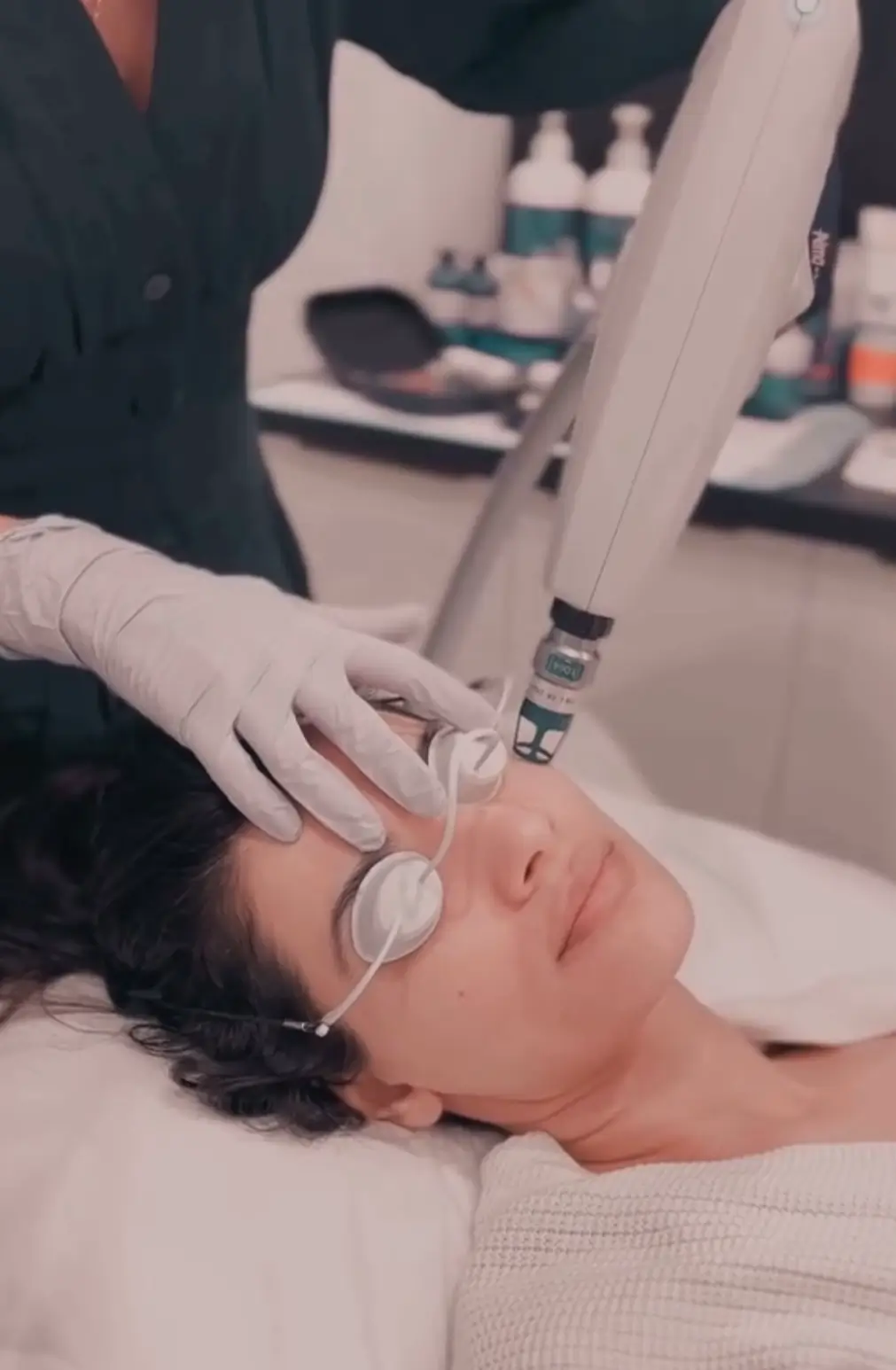
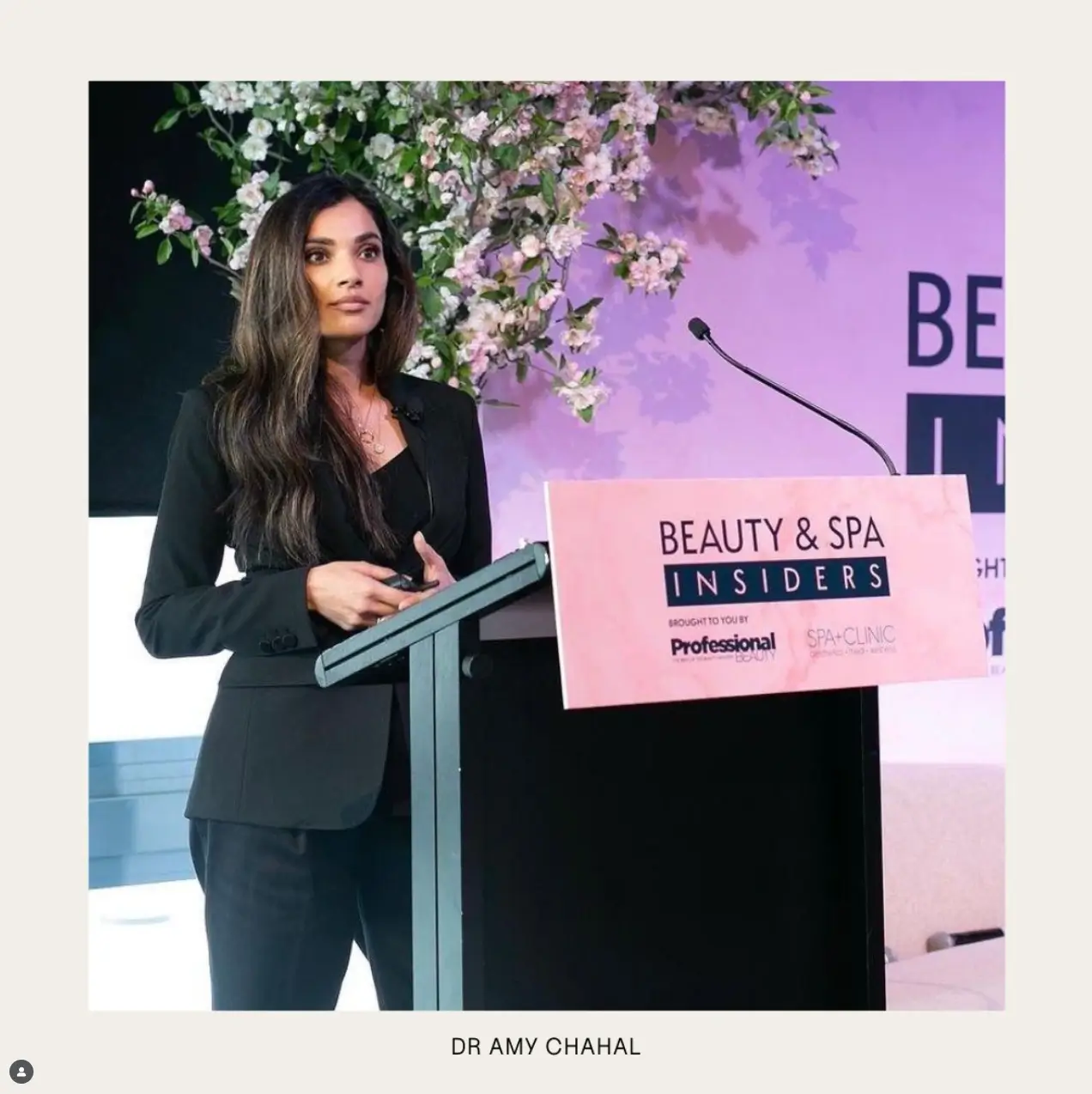
Pico treatments at TCMA are performed by Dr. Amy Chahal, cosmetic physician and founder of TCMA, and by Jess, Megan and Olivia, our clinical team, who work under her clinical oversight. Your practitioner selects the settings for your skin, concern and history, and explains the expected recovery and aftercare. Medical review can be arranged where the assessment calls for it.
Melasma, active irritation or an uncertain diagnosis may call for skincare or medical review before laser. We will explain why a different starting point may be more useful for your skin.
Tell us about recent sun exposure, medicines, pregnancy and any skin conditions before treatment. Risks include pain, redness, swelling, crusting, blistering, darker or lighter patches and scarring. We will discuss your individual risks and how to contact the clinic if recovery is not progressing as expected.
Pico laser can feel like hot pinpricks or an elastic band snapping against the skin. Comfort varies by area and settings. Your practitioner will explain the options for managing discomfort.
Some concerns need a course of treatment. The number and spacing of sessions depend on the pigmentation, treatment settings and your response. Your practitioner will explain the proposed course and review progress before recommending further sessions.
Recovery depends on the area and settings used. Redness, swelling, darkening or crusting may be visible after treatment. We will explain the expected recovery, when to restart makeup and skincare, and how to contact us if your skin is not settling as expected.
At TCMA, a full-face session starts from $750. Smaller areas and courses are quoted at assessment. The Complexion Consultation has a $100 deposit redeemable against treatment only, not skincare products.
Pigmentation can recur, and new spots can develop. Melasma is particularly prone to relapse. Sun protection, a suitable skincare routine and review help guide maintenance; no laser can guarantee permanent clearance. Why melasma keeps coming back.
Some Pico wavelengths and settings may be appropriate for darker skin. Your practitioner will assess your skin tone, pigmentation and treatment history before recommending a plan. Darkening or lightening of the skin remains a risk, so treatment selection and aftercare matter.
Yes. At TCMA, we can use pico laser as part of a personalised melasma plan when assessment shows it is suitable. Careful settings, skincare, sun protection and ongoing review all matter. Melasma can recur or worsen with treatment, so your practitioner will explain the risks and adjust the plan to your response.
TCMA uses Cutera Enlighten, not PicoSure or PicoWay. These are different laser platforms, with different wavelengths and handpieces. Suitability depends on the specific device, settings, concern and skin tone, as well as the practitioner’s assessment.
IPL can address selected superficial pigmentation and small blood vessels. Pico targets pigment with very short laser pulses. The better fit depends on your concern, skin tone and treatment settings. Your consultation is where we work through those choices with you.
Timing depends on recent sun exposure, tanning and your ability to follow aftercare. Tell your practitioner about holidays or outdoor plans so treatment can be scheduled appropriately.
Pico technology is also used for tattoo removal. Ink colour, depth, previous treatment and device wavelengths affect suitability and the number of sessions. Tattoo removal is assessed separately.
Flat brown marks from sun damage are one of the most common reasons for pico treatment. Each spot is assessed first, because a new or changing mark needs medical review before any laser. Most sun damage needs a short course, followed by daily sun protection to limit new marks.
Meet with our dermal therapists at TCMA in Surry Hills to discuss your concerns, review your skincare and explore a personalised treatment plan. Your Complexion Consultation includes skin imaging and analysis, with a $100 deposit redeemable against treatment.
Book a Complexion Consultation
Book Pico Genesis – full face · $750 →Already have a treatment plan? Book your recommended Pico Genesis session directly.
With our dermal therapists · $100 deposit redeemable against treatment only. Your appointment is confirmed once you successfully complete your online booking through Timely. Compare consultation options.
240 Riley St, Surry Hills · (02) 8074 1559
Reviewed by Dr Amy Chahal, Cosmetic Physician · 29 September 2026