HARMONYXL · FUTURESKIN, ROSEBERY
HarmonyXL in Sydney
A considered approach to pigmentation, visible vessels and skin clarity.
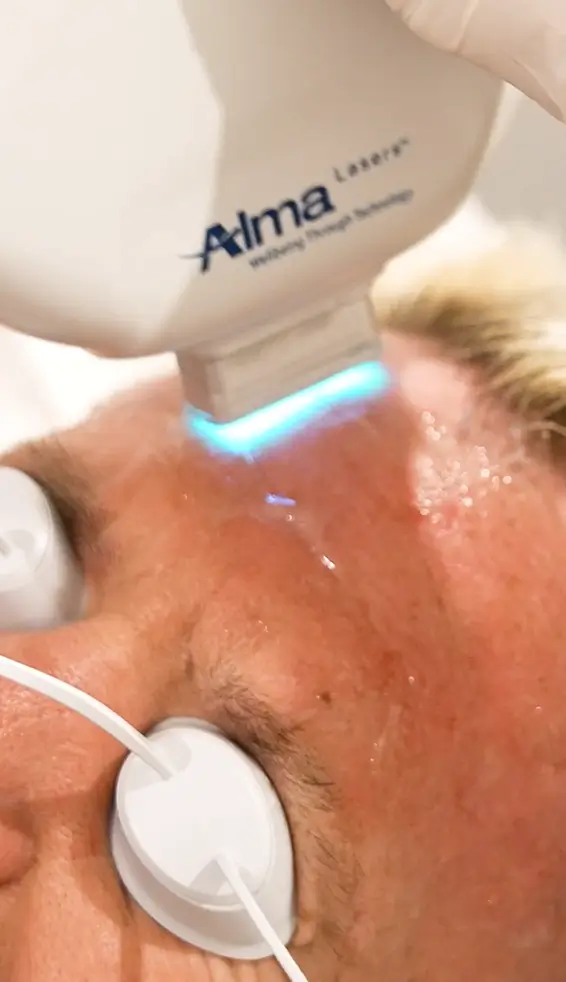
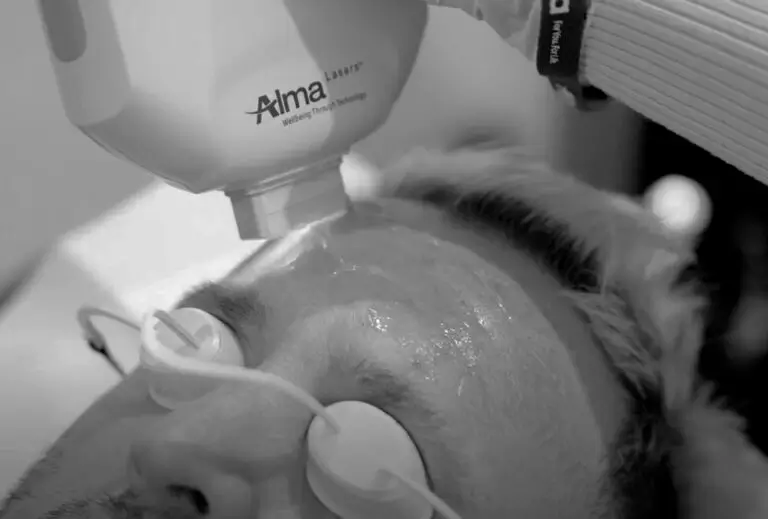
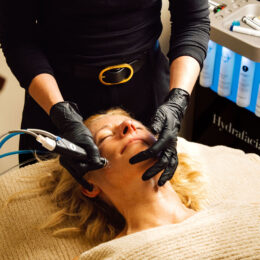
Alma HarmonyXL brings different laser and light technologies together in one platform. The right approach starts with identifying your concern and choosing the applicator and settings that fit your skin.
HarmonyXL treatments take place at FutureSkin in Rosebery. You can consult at TCMA in Surry Hills and include HarmonyXL in a broader plan for your skin and long-term goals.
Choose your TCMA consultation
Consultations at TCMA, Surry Hills · HarmonyXL treatment at FutureSkin, Rosebery.

START AT TCMA
One consultation. A broader plan.
For pigmentation, redness and skincare planning, choose a Complexion Consultation with a dermal therapist at TCMA. The $100 deposit is redeemable against treatment only, not skincare products.
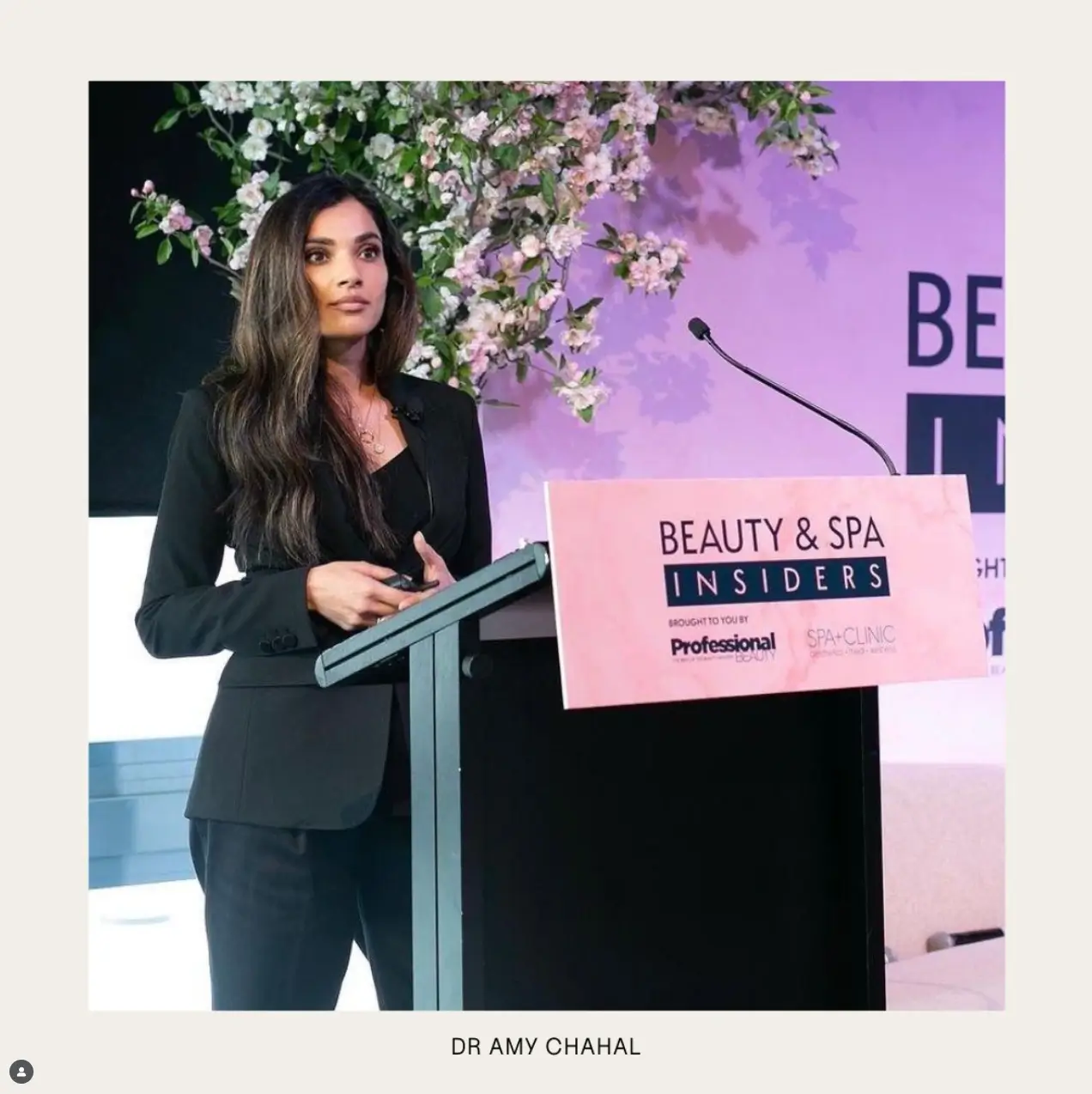
For medical aesthetic advice with Dr Amy Chahal, choose a Focused Consultation ($150) or a Strategy Session ($250) to consider your face, skin and longer-term priorities together. These consultation fees are not redeemable against treatment.
HarmonyXL can form part of that wider plan, with treatment arranged at FutureSkin in Rosebery. Your team will confirm appointment locations and applicable fees or deposit terms.
Compare TCMA consultations
HarmonyXL questions, answered
Where are HarmonyXL treatments performed?
HarmonyXL treatments are performed at FutureSkin in Rosebery, Sydney. You can consult at TCMA in Surry Hills, where HarmonyXL can be considered as part of a broader skin or medical aesthetic plan. Your team will confirm the location of each appointment.
What is the difference between DyeVL and ClearLift?
DyeVL is a narrow-band intense pulsed light (IPL) applicator used for selected vascular and pigment concerns. ClearLift uses Q-switched Nd:YAG laser technology and may be considered for selected pigmentation and skin rejuvenation goals. They are different technologies on the Harmony platform; your clinician selects the appropriate approach.
Can HarmonyXL help redness and broken capillaries?
Appropriate light-based treatment can reduce the appearance of selected visible vessels and redness. Persistent redness needs assessment because rosacea, irritation and other conditions require different care. Treatment does not cure rosacea, and ongoing skincare or medical management may still be needed.
Can it treat pigmentation or melasma?
Some sun-related pigment concerns may respond to a suitable HarmonyXL treatment. Melasma needs a separate, careful plan because light and heat can aggravate it in some people. A new, changing, bleeding or otherwise concerning mark should be medically assessed before cosmetic treatment.
How much does treatment cost?
FutureSkin currently lists DyeVL and ClearLift treatments from $500 each. The final fee depends on the treatment and area, and a course may be recommended. Confirm your personalised quote, consultation fees and booking terms with FutureSkin before proceeding.
How many sessions will I need?
The number and spacing depend on the diagnosis, treatment area, device settings and your response. A course is often considered. Ask for an estimated plan and total cost, with a review before further treatment. Results and maintenance needs vary.
What is the recovery like?
Recovery depends on the applicator and settings. Redness, warmth or swelling can occur; treated pigment may darken before fading or flaking. Some vascular treatments can cause bruising. Ask for recovery advice for your exact treatment, especially before an event.
Is HarmonyXL suitable for every skin tone?
Suitability depends on the applicator, skin tone, recent tanning, medical history and concern being treated. No single setting suits everyone. Your clinician will assess pigment-change risk and may suggest a test patch, a different approach or postponing treatment.
Should I book at TCMA or FutureSkin?
You can start with a consultation at TCMA in Surry Hills. A Complexion Consultation with a dermal therapist suits skin concerns and skincare planning; a consultation with Dr Amy Chahal can consider your wider medical aesthetic goals. If HarmonyXL is recommended, treatment takes place at FutureSkin in Rosebery.
Technology reference: Alma’s HarmonyXL platform information. Available applicators and the recommended treatment are confirmed with your treating clinic.