Acne scars
Improve the appearance of selected acne scars through a planned course. Scar shape, depth and tethering help determine whether needling alone or a broader approach makes sense.
SKIN NEEDLING · SURRY HILLS, SYDNEY
Support smoother skin and soften the appearance of acne scars with a treatment plan built around you.
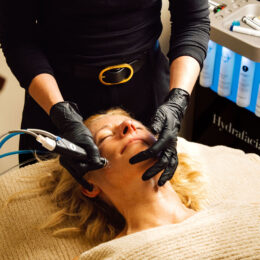
SkinPen microneedling uses fine needles to encourage the skin’s repair response and collagen remodelling. At TCMA, we bring skin treatments and skincare together to improve skin quality over time.
Book a Complexion Consultation
With a dermal therapist · $100 deposit, redeemable against treatment only, not skincare products.
Your appointment is confirmed once you successfully complete your online booking through Timely.

A FOCUS ON SKIN QUALITY
Improve the appearance of selected acne scars through a planned course. Scar shape, depth and tethering help determine whether needling alone or a broader approach makes sense.
Discuss uneven texture and fine lines, including changes through the neck. We assess the area and your skin before setting realistic treatment goals.
Combine appropriate treatment with skincare you can maintain. Review how your skin responds before deciding on further sessions or maintenance.
SkinPen works on skin quality. For facial volume changes or more substantial sagging, we can discuss other options as part of an assessment with Dr Amy Chahal. Results vary and scars may improve without disappearing.
YOUR SKIN, YOUR STARTING POINT
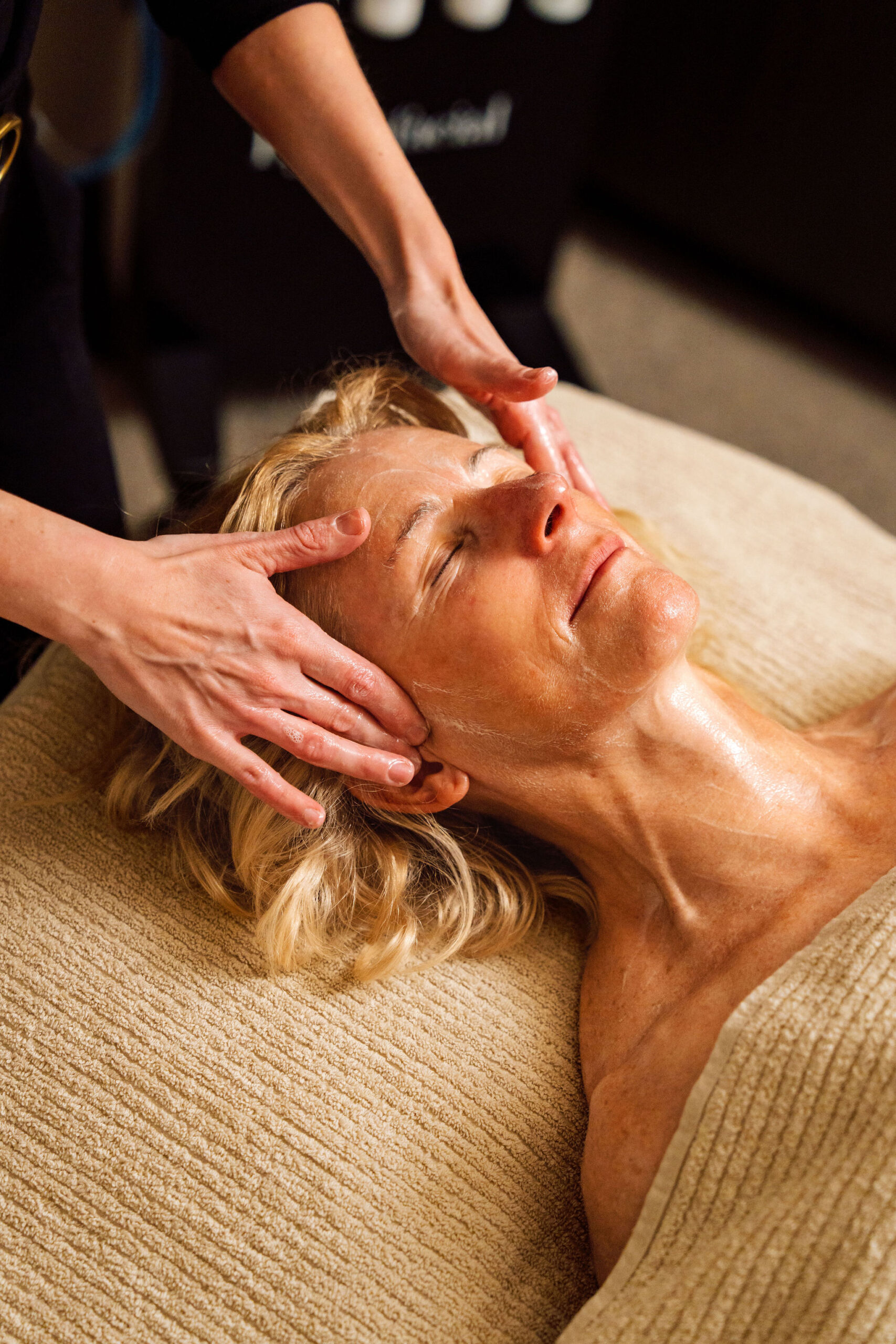
A Complexion Consultation gives you time to discuss your concerns, review your skin imaging and current skincare, and consider treatments that fit your goals and available recovery time.
Bring details of previous treatments, medicines and any history of pigmentation or difficult healing. Your therapist can help you understand where SkinPen fits, with medical assessment where needed.
FROM ASSESSMENT TO REVIEW
We confirm suitability and consent, prepare the skin and discuss comfort measures. Needling time varies with the area treated. Allow additional time for preparation and aftercare advice.
Redness, warmth and sensitivity are expected. Dryness, flaking, pinpoint bleeding or bruising can occur. Give your skin time to settle and avoid booking immediately before an important event.
Change develops gradually. A course may be recommended, with time between appointments for recovery and review. We assess your progress before extending the plan.
Follow the aftercare instructions provided for your treatment. Ask when to restart makeup, active skincare and exercise; protect healing skin from sun exposure. Contact the clinic if symptoms worsen or you are concerned about recovery.
CLEAR COSTS BEFORE YOU COMMIT
Per treatment. Your plan and expected course cost are discussed at assessment.
With a dermal therapist. Redeemable against treatment only, not skincare products.
For medical aesthetic advice, a Focused Consultation with Dr Amy is $150, or a Strategy Session is $250. These consultation fees are not redeemable against treatment.
CHOOSING THE RIGHT APPROACH
Both can have a place in a skin treatment plan. The choice depends on the concern, skin assessment and recovery you can accommodate.
| Consideration | SkinPen | Morpheus8 |
|---|---|---|
| How it works | Mechanical microneedling, without radiofrequency heat. | Microneedling combined with radiofrequency energy. |
| Where it may fit | Selected acne scars, texture and skin quality. | Texture and scarring, with skin laxity also considered. |
| Planning | Often a course, adjusted to your response. | Settings and number of sessions tailored to the concern and area. |
| Recovery & risks | Redness and sensitivity; pigmentation, infection and other complications remain possible. | Recovery varies with settings; heat-related risks require a separate discussion. |
Your clinician will explain the likely benefits, limitations and risks of each suitable option. Explore Morpheus8 at TCMA →
Tell us about active acne, infections or cold sores, pregnancy or breastfeeding, medicines including isotretinoin and blood thinners, immune conditions, allergies, and a history of keloid scars or poor healing. These can affect whether or when treatment is appropriate. Do not stop prescribed medicines without advice from your prescriber.
Possible complications include pigment changes, infection and a cold sore flare. A skin assessment helps us plan responsibly; no procedure is risk free.
AGE WELL, WITH A PLAN
Looking like the best version of yourself starts with understanding what you want to improve and what you want to preserve. Your plan can bring together daily skincare, suitable skin treatments and medical aesthetic advice as your needs change.
We can help you set priorities, allow time for results and review progress before adding more treatment. If you want to consider your face and skin together over the longer term, explore the Strategy Session with Dr Amy.
SkinPen is a microneedling device that creates small, controlled channels in the skin. This stimulates a repair response and collagen remodelling. At TCMA in Surry Hills, we assess your skin and goals before recommending a course.
SkinPen treatment for the face and neck starts from $550 per session. Your recommended number of sessions and total treatment cost are discussed before you commit. A Complexion Consultation with a dermal therapist has a $100 deposit, redeemable against treatment only, not skincare products.
A course of three to six sessions, commonly spaced four to six weeks apart, may be recommended depending on your concern and response. Acne scars often need several treatments. We review progress before recommending further sessions; there is no single schedule for everyone.
Expect redness, warmth or sensitivity after treatment. These often ease over the first few days; dryness or flaking can last longer. Recovery varies with your skin and treatment settings. Plan around important events and follow your individual aftercare instructions.
SkinPen may be an option for people with darker skin tones because it does not use laser or radiofrequency heat. Pigment changes can still occur. Your skin history, current condition and tendency to develop pigmentation are assessed before treatment.
SkinPen can improve the appearance of some acne scars over a course of treatments. Scar depth and whether a scar is tethered affect the approach. Deep or tethered scars may need a different or combined plan. Active acne should be assessed before needling.
Both use fine needles. SkinPen uses mechanical microneedling, while Morpheus8 adds radiofrequency energy. SkinPen may suit texture and selected acne scars; Morpheus8 may be considered when skin laxity is also a concern. Suitability, recovery and risks differ, so treatment selection starts with assessment.
Numbing cream may be used to improve comfort. Pressure, vibration and sensitivity are possible, especially in more delicate areas. Avoid makeup immediately afterwards and restart only when advised, commonly after 24 to 48 hours if the skin has settled.
For skin texture, acne scarring or a skincare and treatment plan, start with a Complexion Consultation with a TCMA dermal therapist. For a broader medical aesthetic assessment or long-term facial planning, choose a consultation with Dr Amy Chahal. Our team can help you choose.
Further reading: FDA patient information on microneedling and SkinPen manufacturer information. These US resources describe evidence and risks; your clinician will discuss the device guidance and treatment appropriate to you in Australia.
TCMA · SURRY HILLS
Start with a Complexion Consultation to discuss SkinPen, your skincare and the next steps towards your goals.
Book a Complexion Consultation
$100 deposit, redeemable against treatment only, not skincare products.
Your appointment is confirmed once you successfully complete your online booking through Timely.
240 Riley Street, Surry Hills NSW 2010
(02) 8074 1559