Radiofrequency microneedling · Skin texture · Collagen remodelling
Smoother texture. Firmer-looking skin. A considered approach.
Explore Morpheus8 at TCMA in Surry Hills for selected skin laxity, acne scars and textural concerns. Start with what you would like to improve, then build a plan around your skin and anatomy.
With Dr. Amy Chahal · $150 consultation fee, not redeemable against treatment. Treatment fees depend on the area and provider.
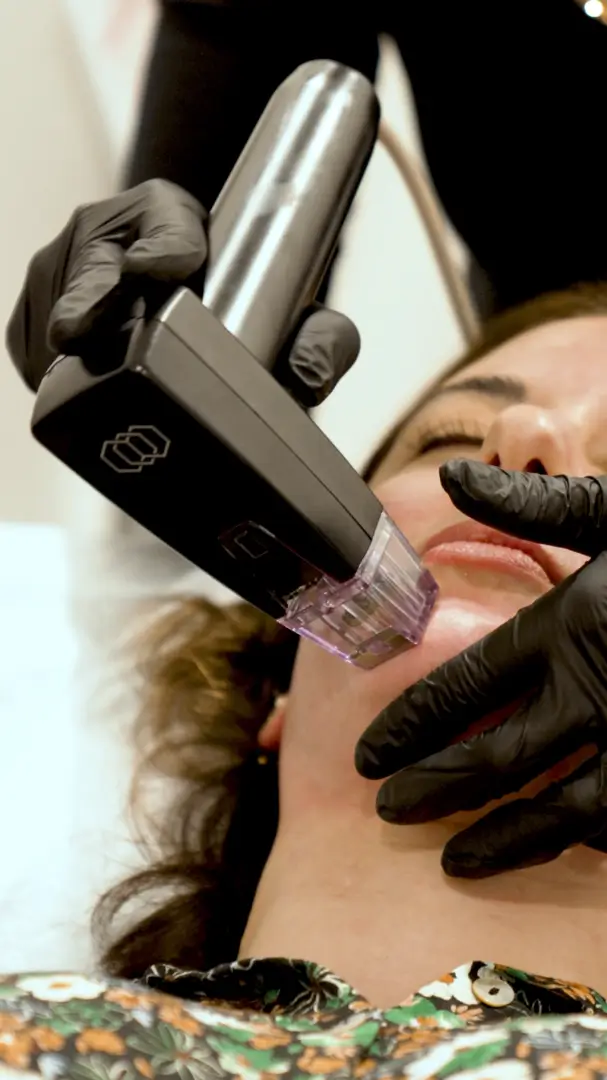
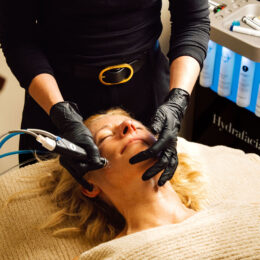
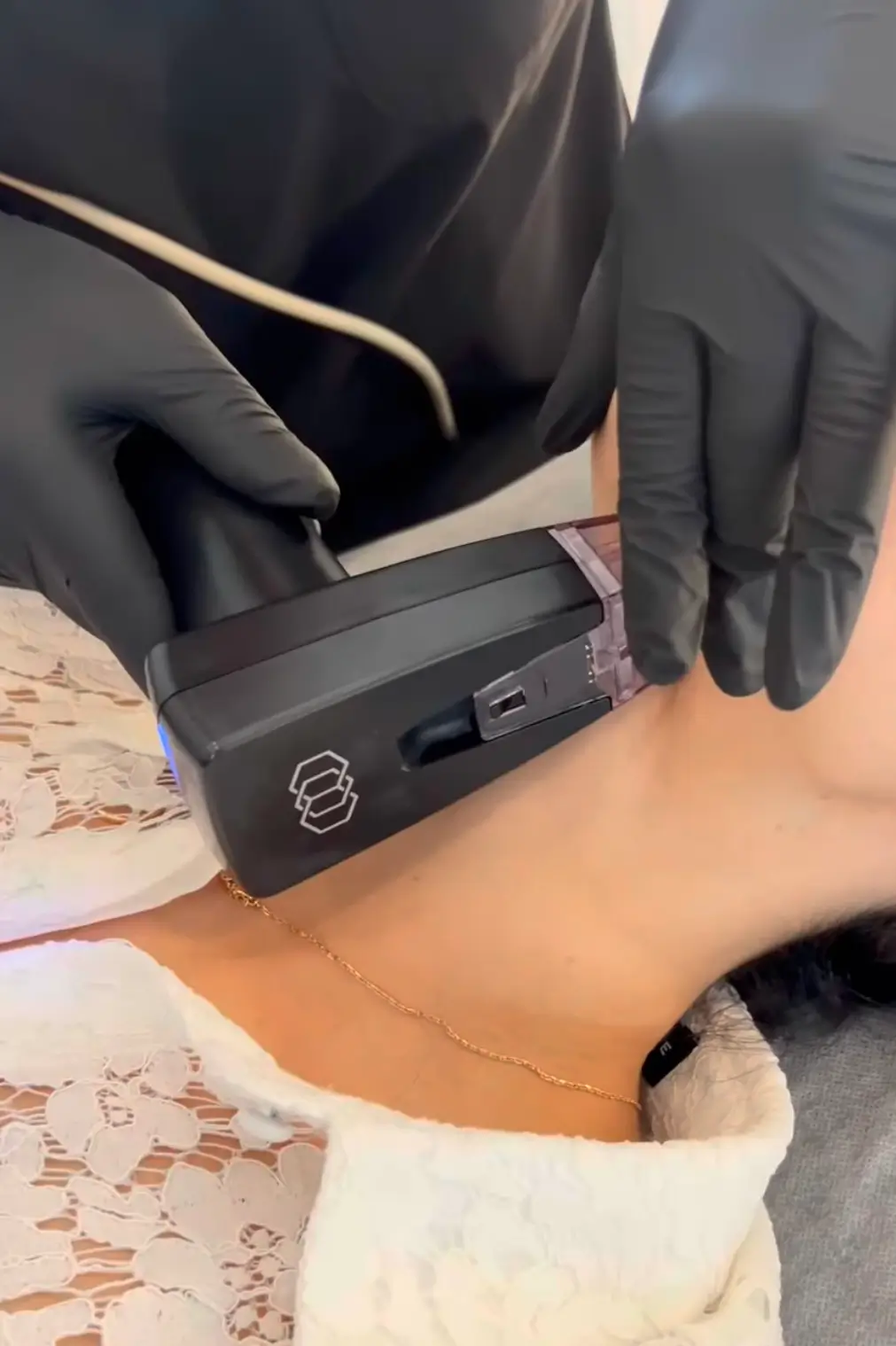
Fine needles deliver radiofrequency energy at selected depths, creating controlled tissue injury that can stimulate collagen remodelling. Changes develop gradually as the skin heals.
Depth, energy, treatment area and your existing facial volume all matter. Deeper treatment is not automatically better. Your practitioner explains the intended benefit, recovery and risks for your particular concern.
Morpheus8 does not replace lost facial volume or reproduce a surgical lift. If your main concern is pigmentation, redness or significant skin descent, another approach may be more suitable.
Your treatment journey
Plan with confidence
Fees vary by area, provider and the treatment required. Your consultation sets out the proposed approach and likely course costs before you commit.
Book a Focused Consultation · $150
For one medical aesthetic concern with Dr. Amy. The consultation fee is not redeemable against treatment.
Book your recommended full-face Morpheus8 treatment directly with your chosen provider.
Book full face with a dermal therapist · $1,150 →Book full face with Dr. Amy · $1,750 →
For another area or combination, contact the clinic to arrange the treatment in your plan. Your appointment is confirmed once you successfully complete your online booking through Timely.
These are distinct treatment options, rather than interchangeable Morpheus8 settings. Assessment helps match the technology to the concern.
A useful consultation includes what treatment can achieve and what could go wrong. Tell us about medicines, implanted devices, pregnancy, recent procedures, active skin problems, abnormal scars and previous healing or pigment changes.
RF microneedling can cause pain, redness, swelling, bleeding, crusting, infection and pigment changes. Serious reported complications include burns, scarring, unwanted fat loss and nerve injury. Your practitioner will discuss how the proposed treatment relates to your anatomy and individual risks.
In October 2025, the US FDA highlighted serious complications reported with certain uses of RF microneedling. Read the FDA safety communication.
Contact the clinic promptly about unexpected or increasing pain, blistering, spreading redness, altered sensation or other concerning changes after treatment. Follow the specific aftercare you are given.
Morpheus8 uses radiofrequency microneedling; Sofwave uses ultrasound energy. Both may be considered for selected skin concerns, but their treatment methods, recovery and limitations differ. Your concern and anatomy guide the choice.
Morpheus8 combines microneedling with radiofrequency energy delivered at selected depths. It may be used for selected acne scars, textural changes and skin laxity. Your practitioner assesses whether the likely benefit suits your concern and anatomy.
At TCMA, full-face Morpheus8 is $1,150 with a dermal therapist or $1,750 with Dr. Chahal. Eye treatment is $750 or $1,000 respectively; body treatment is $1,500 or $2,500. The area, provider and proposed course determine the total cost, which we confirm before treatment.
Treatment can be uncomfortable despite topical anaesthetic. Sensation varies with the area, depth and settings. Your practitioner will discuss pain relief and what to expect before treatment.
Redness, swelling, tenderness and small crusts or grid marks can occur. Recovery varies with the area and intensity, and visible changes may last longer than a few days. Follow your specific aftercare advice and ask when to restart makeup and active skincare.
Some people are offered a course, while others start with one treatment and review. The number and spacing depend on your concern, settings and response. More treatment is not automatically better.
Unwanted fat loss is a reported risk of radiofrequency microneedling, alongside burns, scarring and nerve injury. Depth and energy must be considered in relation to your anatomy and existing facial volume. Ask your practitioner about those risks before deciding.
It may be suitable for some people with darker skin tones, but it is not risk-free. Pigment changes and scarring remain possible. Your skin tone, treatment history, settings and aftercare all need individual consideration.
Changes develop gradually, and results vary. Ageing continues, so review helps decide whether maintenance is useful. There is no fixed treatment calendar that suits everyone; skincare and sun protection remain part of the plan.
Morpheus8 uses needles to deliver radiofrequency energy into tissue. Forma applies radiofrequency from the skin surface without needles. They have different treatment approaches and recovery expectations; your assessment helps decide which, if either, fits.
TCMA assesses selected body concerns on the abdomen, arms, flanks, thighs and knees. Around-eye treatment requires particular care and assessment with Dr. Chahal. Treatment does not replace surgery for substantial excess skin or correct under-eye hollowing.
A plan for ageing well
If you are considering several treatments, a Strategy Session with Dr. Amy Chahal brings cosmetic medicine, skincare and skin treatments together. Build a written roadmap for your goals, with review and maintenance over the years.
Book a Strategy Session with Dr. Amy
$250 consultation fee, not redeemable against treatment. For skin treatments and skincare planning, explore a Complexion Consultation.
Your appointment is confirmed once you successfully complete your online booking through Timely.
240 Riley St, Surry Hills · (02) 8074 1559
Easy to reach from the CBD, Darlinghurst, Paddington, Redfern, Randwick, Coogee and the eastern suburbs.
Reviewed by Dr Amy Chahal, Cosmetic Physician · 29 September 2026
Deciding between devices
Morpheus8 and Sofwave work at different depths, which is what usually decides between them. Read the comparison.