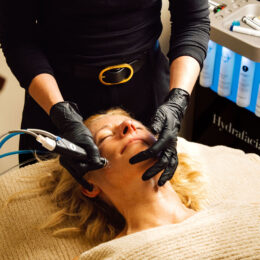
Dermal fillers are a popular non-surgical treatment used to add volume and enhance facial features like the lips, cheeks, and jawline. While results are visible right after the procedure, they are not always final immediately. This is why understanding how long it takes for dermal fillers to settle is important. Initial swelling and minor bruising …


 Dermal fillers are a popular non-surgical treatment used to add volume and enhance facial features like the lips, cheeks, and jawline. While results are visible right after the procedure, they are not always final immediately.
This is why understanding how long it takes for dermal fillers to settle is important. Initial swelling and minor bruising can affect how the results look in the first few days, so what you see right away may not reflect the final outcome.
In this article, we’ll explain how long does it take for dermal fillers to settle, what to expect during the process, and cover related topics like how long lip filler takes to settle, cheek filler swelling stages, and overall filler longevity.
How Long Does It Take for Dermal Fillers to Settle?
In most cases, dermal fillers take about 1 to 2 weeks to fully settle, although this can vary depending on the type of filler and the treated area. While you’ll notice volume right away, the final result develops gradually.
Right after the procedure, the treated area may look slightly overfilled due to swelling. During the first few days, mild bruising, redness, and firmness are common. As the swelling goes down, the filler begins to integrate with the surrounding tissue, leading to a softer and more natural appearance.
It’s important to note that factors like the type of product used, the injection area, and your body’s healing response can all affect how long it takes for fillers to settle.
What Happens Right After the Procedure?
Immediately after treatment, you’ll see instant volume, but this isn’t the final result. The area may feel firm and look slightly swollen or uneven at first. This is a normal part of the process and usually improves within a few days.
When Do You See Final Results?
Most people see their final results within 1 to 2 weeks. However, in areas like the lips, it can take a bit longer. Over time, the filler softens and settles evenly, giving a more natural and refined look.
Tips to Help Dermal Fillers Settle Faster
Following the right aftercare can help reduce swelling and support a smoother settling process:
Follow Post-Treatment Instructions
- Avoid touching or pressing the treated area
- Do not massage unless your provider advises it
- Stay away from heat (saunas, hot showers, sun exposure) for a few days
Reduce Swelling
- Apply a cold compress gently during the first 24 hours
- Drink plenty of water to stay hydrated
- Limit salt and alcohol, as they can increase swelling
Avoid Strenuous Activity
- Avoid intense workouts for 24–48 hours
- Keep physical activity light to prevent increased swelling
- Allow your body time to heal properly
What Factors Affect How Long Dermal Fillers Take to Settle?
The time it takes for fillers to settle isn’t the same for everyone. Several factors can influence how quickly you see the final result, from the type of product used to how your body heals.
Type of Filler Used
Different fillers behave differently. Hyaluronic acid fillers tend to settle faster because they integrate smoothly with the skin. Thicker fillers, often used for deeper areas like the cheeks, may take a bit longer to soften compared to lighter formulations used in the lips.
Treatment Area
The area treated plays a big role. For example, how long lip filler takes to settle is often slightly longer due to movement and swelling. Cheek fillers may feel firmer at first, and understanding cheek filler swelling stages can help you know what’s normal. Areas with more movement usually take longer to fully settle.
Individual Healing Response
Everyone heals at a different pace. Factors like age, metabolism, and immune response can affect recovery time. Lifestyle habits—such as diet, hydration, and smoking—can also influence how long it takes for fillers to settle.
Injection Technique and Provider Skill
An experienced provider can make a noticeable difference. Proper technique ensures even placement, which helps the filler settle more smoothly and reduces the risk of uneven results or prolonged swelling.
How Long Does Swelling Last After Dermal Fillers?

Swelling is a normal part of the healing process after fillers. In most cases, swelling improves within 24 to 72 hours, though slight swelling may persist for up to a week, depending on the treated area.
Some areas are more prone to swelling than others. For example, the lips tend to swell more and may take longer to calm down, while areas like the cheeks often settle a bit faster. This is why experiences can vary when it comes to how long it takes for fillers to settle.
Normal vs. Concerning Swelling
Mild to moderate swelling, slight bruising, and tenderness are completely normal in the first few days. These symptoms should gradually improve over time.
Do Dermal Fillers Look Better Over Time?
Yes, dermal fillers often look better as time passes. After the initial swelling goes down, the filler begins to integrate with the surrounding tissue. This process allows the product to soften and settle into place, creating a more natural and balanced appearance.
This is why many people notice an improvement in their results over the first couple of weeks, as everything smooths out and looks more refined.
Why Fillers May Look “Overdone” at First
It’s common for fillers to look slightly overfilled right after treatment. This is mainly due to swelling combined with the added volume from the product.
You may also notice minor asymmetry in the beginning. This is usually temporary and improves as the swelling reduces and the filler settles evenly.
When Should You Worry About Fillers Not Settling Properly?
In most cases, fillers settle without any issues. However, it’s important to know the difference between normal healing and signs of a potential problem. Temporary swelling, minor lumps, or slight unevenness can happen early on, but these usually improve within the first 1–2 weeks.
Normal Lumps vs. Problematic Lumps
- Small, soft lumps are common in the first few days
- These often result from swelling or the filler adjusting under the skin
- They typically smooth out on their own as the area heals
- Firm, painful, or visible lumps that last beyond 2 weeks may need attention
- Lumps that worsen over time instead of improving are not normal
When to Seek Professional Help
- Swelling that continues without improvement beyond 7–10 days
- Growing pain, redness, or a feeling of heat in the treated area
- Noticeable uneven results that don’t settle over time
- Any unusual discoloration (such as pale or dark patches)
If you experience any of these symptoms, it’s best to contact your provider promptly to ensure everything is healing correctly.
How Long Do Dermal Fillers Last After They Settle?
Once dermal fillers have fully settled, the results usually last between 6 to 18 months, depending on the type of filler, the treated area, and individual factors like metabolism and lifestyle. Softer fillers, such as those used in the lips, tend to break down faster, while thicker fillers in areas like the cheeks often last longer. Understanding how long filler lasts can help set realistic expectations, and many people choose maintenance or touch-up treatments to keep their results looking consistent and natural over time.
FAQ
- How long do lip fillers take to settle? Lip fillers usually take 1 to 2 weeks to settle, but in some cases, it can take up to 3 to 4 weeks for the final result, especially due to swelling.
- Can fillers settle unevenly? Yes, fillers can appear slightly uneven at first. This is usually temporary and improves as the swelling goes down and the filler settles.
- Can I massage dermal fillers to help them settle? You should only massage fillers if your provider specifically advises it. Incorrect massage can affect the results.
- Why do my fillers feel hard at first? It’s normal for fillers to feel firm initially due to swelling and the consistency of the product. They typically soften over time.
- Do fillers move before they settle? Slight movement can happen in the early stages, but fillers generally stay in place as they integrate with the tissue.
- Can I sleep on my face after fillers? It’s best to avoid putting pressure on the treated area for the first few nights to prevent shifting and reduce swelling.Consultation with Dr Amy Chahal
Consultation with Dr Amy Chahal
 If you’re considering dermal fillers, a consultation with Dr Amy Chahal is the ideal first step. She is the Founder and Medical Director of The Centre for Medical Aesthetics (TMCA), with extensive experience in non-surgical treatments.
During your consultation, she will assess your facial structure, discuss your concerns, and determine the most suitable treatment for your goals. Her approach is personalised, focusing on natural-looking results and overall facial balance.
You’ll also receive clear guidance on treatment options, expected outcomes, and how long dermal fillers may take to settle based on your individual case.
Conclusion
Most dermal fillers settle within 1 to 2 weeks, although this can vary depending on the treatment area and individual healing. During this time, it’s important to be patient, as initial swelling and minor changes are a normal part of the process.
Following proper aftercare and your provider’s instructions can help ensure smoother results and a quicker recovery. For the best outcome, always choose a qualified and experienced professional who can guide you before and after the treatment.